Everest Gokyo Chola Pass Trek
A journey shaped by the landscapes, people and experiences of Nepal.
Offered by Mountain Hiking & Trekking Pvt.Ltd
 NEPAL · TRAVEL EXPERIENCES
Discover the journey
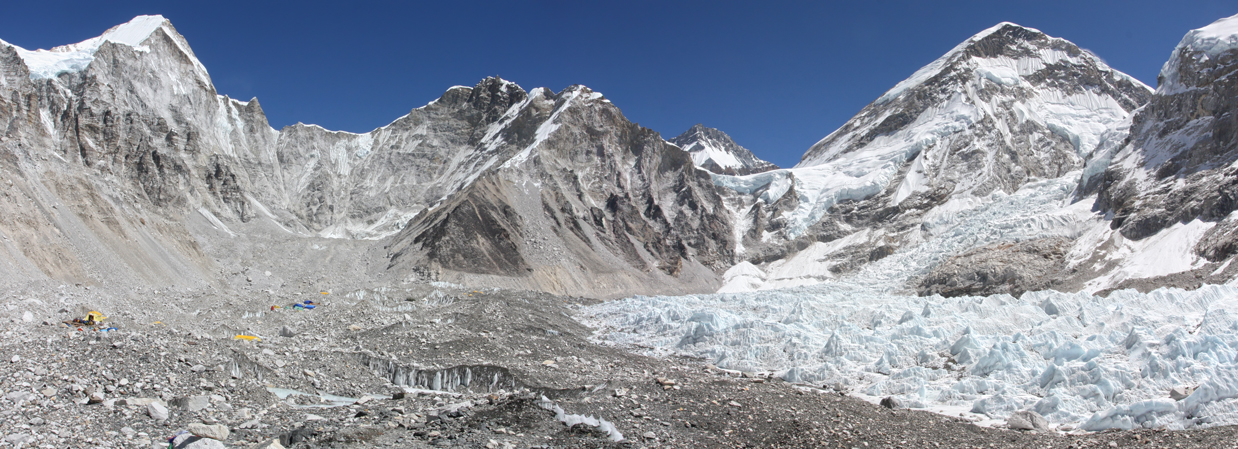
Everest High Pass Trek is another popular Everest circuit route in Khumbu region. Everest circuit trek follows the route via high pass of ChoLa 5368 n5368 meters into the Base Camp of Mt. Everest 5364 meters. An adventurous trek that goes through Lukla, Namche Bazaar and all the way to Gokyo, Chola Pass, Kalapattar and Everest Base Camp. Leading you to the settlement of the well-known Sherpa homeland, based at the foothills of the highest peak in the world, Mt. Everest 8848 meters. Chola pass trekking follows the highly recommended trekking route through the Dudh Kosi to its source the Gokyo Lake which is to the west of the Everest Base Camp, giving you the benefit to summit Gokyo Ri 5483 meters offering the best panoramic view of Cho Oyu 8201m meters, Mt.Everest 8848 meters, Makalu 8475 meters and other peaks in this region. Chola Pass Trek is combination trek to visit Gokyo lake valley to gokyo ri climb then crossing through Chola pass 5368 mts then trek to Everest Base camp valley to hike Kala Pattar 5550m and day hike to Everest Base Camp, after such great view and hike Chola pass trek is descending to pheriche, Namche to Lukla then fly back to Kathmandu.
The memorable moments
Gokyo Lakes: The trek takes you to the beautiful Gokyo Lakes, a series of six glacial lakes located at high altitudes. The turquoise waters and surrounding mountain vistas are breathtaking and provide excellent photo opportunities. Gokyo Ri: Hike to the summit of Gokyo Ri (5,360 meters), which offers panoramic views of four of the world's highest peaks: Mount Everest, Lhotse, Makalu, and Cho Oyu. It's one of the best viewpoints in the Everest region. Cho La Pass: Crossing the challenging Cho La Pass (5,420 meters) is a thrilling experience. The pass is often covered in snow and requires careful navigation, but the views from the top are well worth the effort. Everest Base Camp: Visit the legendary Everest Base Camp (5,364 meters) and see climbers preparing for their ascent of the world's highest peak. The sense of accomplishment and the views of Mount Everest from here are awe-inspiring. Khumbu Glacier: Hike alongside the massive Khumbu Glacier, the world's highest glacier, on your way to Everest Base Camp. Witness ice formations, crevasses, and the ever-moving glacier. Sherpa Culture: Immerse yourself in the Sherpa culture by visiting traditional villages like Namche Bazaar, Tengboche, and Dingboche. Explore ancient monasteries and learn about the local way of life. Sagarmatha National Park: The trek takes you through the stunning landscapes of Sagarmatha National Park, a UNESCO World Heritage Site, which is home to diverse flora and fauna, including rare Himalayan wildlife. High-Altitude Experience: Gain valuable high-altitude trekking experience as you ascend to some of the highest trekking points in the world. Acclimatization is crucial, and the trek offers the opportunity to adapt to higher altitudes. Teahouse Accommodation: Stay in cozy teahouses along the trail, where you can enjoy warm meals and hospitality from local hosts. It's a great way to connect with fellow trekkers and share experiences. Sense of Achievement: Completing the Everest Gokyo Chola Pass Trek is a remarkable achievement. The challenging terrain, high passes, and stunning vistas make it a memorable adventure for trekkers seeking an epic Himalayan experience. Why Travel With Us Customer Support With 24-hour customer service, customers can get help whenever they need it, which can lead to increased customer satisfaction and loyalty. Safety Equipment We carry all necessary safety equipment including hyperbaric chambers, automated external defibrillators, pulse oximeters, and general first aid kits. Our first priority is your safety on the mountain. Our purpose To provide our customers with unforgettable and safe trekking experiences that connect them with natural beauty, and support local communities and local culture. Certified Tour Operator We are a certified Trek and Tour operator with Nepal Tourism Board, Trekking Agencies Association of Nepal, and Nepal Mountaineering Association. And we are local Sherpa tour company of Nepal. No Extra Fees There is no additional fee for paying by credit card. Airport transfers are included both on arrival and departure. All taxes and government fees are included in all our packages. Free Nepali & Sherpa Food Cooking Classes - The Best Way to Learn! Start a culinary journey with our free Nepalese and Sherpa cooking classes. Discover authentic recipes, hands-on cooking, and cultural insights into Himalayan cuisine. Explore Traditional Cuisine: Learn to prepare iconic dishes like momos (dumplings), dal bhat (lentils and rice), thukpa (noodle soup), and more. Perfect for food enthusiasts and travelers alike. Join us for an unforgettable experience! Social Media Updates During every trek, we do our best to post social media updates with photos to our Facebook Group or our Instagram Stories. This way your family and friends can watch your progress during your trek.
Journey at a glance
Day Day 01:: Arrival In Nepal Airport 1,350 meters (4,429 feet) — Arrival In Nepal Airport 1,350 meters (4,429 feet) Well Come To Himalayas Nepal! We Pick Up You From Tribhuvan International Airport And Drop You To Your Hotel That we Have Booked. After Resting Some Hours We Will Meet To Brief You About Our Program. Overniht At HotelMeals: Breakfast and well come Dinner Day Day 02:: Full day city Tour in kathamandu Valley Sightseeing 5-6 hrs. — Duration: Approximately 5-6 hours Breakfast: Start your day with a hearty breakfast at your hotel or a local café to fuel up for the day ahead. Swayambhunath Stupa (Monkey Temple): Begin your tour by visiting Swayambhunath Stupa, one of the most iconic and ancient religious sites in Kathmandu. Explore the stupa's complex, which includes shrines, temples, and a large stupa adorned with prayer flags and colorful decorations. Enjoy panoramic views of the city from the hilltop location. Patan Durbar Square: Head to Patan Durbar Square, located in the city of Lalitpur (Patan), which is known for its well-preserved Newar architecture. Explore the various temples, palaces, courtyards, and intricate stone carvings that reflect the artistic and architectural heritage of the area. Lunch: Enjoy a traditional Nepali lunch at a local restaurant. This is a great opportunity to savor some local cuisine. Pashupatinath Temple: After lunch, visit Pashupatinath Temple, one of the most sacred Hindu temples in Nepal and a UNESCO World Heritage Site. Observe the temple's stunning architecture, and if you're respectful, you can witness Hindu cremation rituals along the Bagmati River. Boudhanath Stupa: Proceed to Boudhanath Stupa, one of the largest stupas in Nepal and a significant pilgrimage site for Buddhists. Take a leisurely walk around the stupa, spinning prayer wheels and observing the serene atmosphere. Thamel Shopping and Rest Break: Thamel is a vibrant neighborhood known for its shopping and dining options. Take a break to relax, do some shopping for souvenirs, or enjoy a cup of Nepali tea or coffee. Kathmandu Durbar Square: End your day at Kathmandu Durbar Square, another UNESCO World Heritage Site. Explore the historic square, admire the intricately carved wooden architecture of the old palace, temples, and statues. Evening Cultural Performance: Depending on the schedule, consider attending an evening cultural performance, such as traditional Nepali dances or music. These performances often provide insights into local culture and traditions. Dinner: Wrap up your day with a delicious dinner, either at your hotel or at a local restaurant. Meals: Breakfast only Acomodation Hotel Day Day 3:: Fly to Lukla Trek to Phakding (2,652m / 8,700ft) 6.2 miles (7-8 km.) 3-4 hrs. — After arriving at Tenzing Hillary Airport in Lukla, take some time to prepare for the trek and meet your guide/porter if you have one. Begin your trek by descending from Lukla. The trail initially passes through the village and then gradually descends through rhododendron and pine forests. You'll cross several suspension bridges over the Dudh Koshi River, which originates from the Everest region and flows through the valley. The first major bridge you'll encounter is the Hillary Suspension Bridge, named after Sir Edmund Hillary. It's an iconic landmark on the trek. After crossing the bridge, the trail continues through small Sherpa settlements, prayer wheels, and mani stones (stones inscribed with Tibetan Buddhist prayers). The path is relatively easygoing, with a few uphill and downhill sections. You'll pass through villages like Chheplung, Thado Koshi, and Ghat. Finally, you'll arrive in Phakding, a charming village situated along the banks of the Dudh Koshi River. Phakding is a popular stop for trekkers on their way to Everest Base Camp. You'll find a range of accommodations in Phakding, including tea houses and lodges, where you can rest and enjoy a warm meal. Overniht At Guest HouseMeals: Breakfast -lunch And Dinner Day Day 4:: Trek to Namche Bazaar (3,440m / 11,286ft) 7.4 km 4.6 miles . 6-7 hrs. — Start your day by leaving Phakding and crossing the Dudh Koshi River on a suspension bridge. The trail then leads to the entrance of Sagarmatha National Park, where you'll need to show your permits. The trail gradually ascends, passing through pine forests, alongside the Dudh Koshi River, and through charming villages like Toktok and Benkar. You'll continue to cross several more suspension bridges and make your way to Monjo, a village with lodges and a checkpost. After Monjo, you'll begin a steeper ascent that includes a challenging hill known as "Namche Hill." The trail offers panoramic views of Thamserku and other peaks. As you reach the top of Namche Hill, you'll catch your first glimpse of Mount Everest and Lhotse. Descend briefly to the Dudh Koshi River again and cross another bridge before starting the final uphill climb to Namche Bazaar. After a few hours of trekking, you'll arrive in Namche Bazaar, the largest Sherpa town in the Everest region. Namche Bazaar is a bustling hub with markets, shops, restaurants, and stunning mountain views. Spend the night in Namche Bazaar to acclimatize to the higher altitude. Explore the town, visit the local market, and enjoy the picturesque surroundings. Overniht At Tea HouseMeals: Breakfast -lunch And Dinner Day Day 5:: Namche Bazaar - Rest and Acclimatize 3/4 hrs.day hike — Start your day with a hike to the Everest View Hotel, which offers stunning panoramic views of Everest, Lhotse, Ama Dablam, and other peaks. The hike takes about 2-3 hours one way, and the altitude gain helps your body acclimatize. Explore Namche Bazaar: After returning from your hike, take some time to explore the town. Visit the local market, shops, and bakeries. You can also check out the Sherpa Culture Museum and the Everest Photo Gallery to learn more about the region's history and culture. Rest and Relaxation: Use the afternoon to rest and relax. Spend some quiet time reading, journaling, or simply enjoying the views from your lodge. Since you're at a higher altitude, your body needs time to adjust. Listen to your body and avoid strenuous activities. Meals: Breakfast/Lunch/Dinner Acomodation: Tea House Day day: 6: Namche to Dole (4,200 m/13,780 feet) 8 to 9km.(5-6 miles) 5-6 hrs — The trek from Namche Bazaar to Dole is a part of the Everest Base Camp trekking route in the Khumbu region of Nepal. Dole is a small village located at an altitude of approximately 4,200 meters (13,780 feet) and serves as one of the stopping points along the trek to Everest Base Camp. Here's a general outline of the trekking route from Namche Bazaar to Dole: Distance: The distance from Namche Bazaar to Dole is approximately 8-10 kilometers (5-6 miles), depending on the specific route you take. Duration: This trek can typically be completed in 4-6 hours, depending on your walking pace and how well you acclimatize to the altitude. Namche Bazaar (3,440 meters) to Sanasa (3,600 meters): Start your trek from Namche Bazaar and head north. You'll continue along the main trail leading to Everest Base Camp. After a short climb, you'll reach the village of Sanasa, which is a good place for a short break and some refreshments. Sanasa to Mong La (3,975 meters): From Sanasa, you'll trek uphill to the village of Mong La. This part of the trek offers beautiful views of Ama Dablam and other surrounding peaks. You can stop at Mong La for lunch or a tea break. Mong La to Phortse Thanga (3,680 meters): After Mong La, you'll descend through a forested area to reach Phortse Thanga. This is a quiet spot with a few lodges where you can rest and have a meal. Phortse Thanga to Dole (4,200 meters): From Phortse Thanga, you'll continue ascending through forests and yak pastures. Eventually, you'll arrive at Dole, where you can find several lodges for accommodation. Meals: Breakfast/Lunch/Dinner Acomodation: Tea House Day Day 7:: Dole to Machhermo (4,470 m/14,665 feet) 4-5 km (2.5-3 miles). 3/4 hrs — The trek from Dole to Machhermo is part of the Everest Base Camp trekking route in the Khumbu region of Nepal. Machhermo is a small village situated at an altitude of approximately 4,470 meters (14,665 feet) and is known for its stunning views of the surrounding mountains. Here's a general outline of the trekking route from Dole to Machhermo: Distance: The distance from Dole to Machhermo is approximately 4-5 kilometers (2.5-3 miles). Duration: This part of the trek can typically be completed in 2-3 hours, depending on your walking pace and how well you acclimatize to the altitude. Route: Dole (4,200 meters) to Luza (4,360 meters): Start your trek from Dole and continue north along the main trail. You'll pass through yak pastures and rhododendron forests as you ascend. After a short trek, you'll reach the small settlement of Luza. Luza to Machhermo (4,470 meters): From Luza, continue along the trail as it climbs gently toward Machhermo. The trail offers breathtaking views of the Himalayan peaks. After a relatively short walk, you'll arrive in Machhermo, where you can find teahouses for accommodation. Meals: Breakfast/Lunch/Dinner Acomodation: Tea House Day Day 8:: Machhermo to Gokyo (4,750 m, 15,583 ft)around 7-9 km. (4.3-5.6 miles).4-5 hrs — The trek from Machhermo to Gokyo Lakes is a spectacular journey through the stunning landscapes of the Khumbu region in Nepal. The Gokyo Lakes are a series of six pristine glacial lakes, and Gokyo Village is a popular trekking destination, often included in the Everest Base Camp and Gokyo Lakes trek. Here's an outline of the trekking route from Machhermo to Gokyo Lakes: Distance: The distance from Machhermo to Gokyo Lakes can vary depending on the specific route you take, but it's roughly around 7-9 kilometers (4.3-5.6 miles). Duration: This part of the trek typically takes 3-4 hours, depending on your walking pace and acclimatization. Route: Machhermo (4,470 meters) to Pangka (4,560 meters): Start your trek from Machhermo and continue heading north along the main trail. You'll gradually ascend through yak pastures and rocky terrain. The trail may be steep at times, so take your time and stay well-hydrated. Pangka to Gokyo (4,790 meters): From Pangka, continue ascending until you reach the village of Gokyo. This village sits on the shores of the third Gokyo Lake and serves as a base for trekkers exploring the lakes. You'll find teahouses and lodges for accommodation in Gokyo. Exploring the Gokyo Lakes: After reaching Gokyo, you can spend time exploring the Gokyo Lakes. The third lake, known as Gokyo Tsho, is the largest and most famous. You can also hike up to Gokyo Ri (5,357 meters), a nearby viewpoint that offers breathtaking panoramic views of the surrounding peaks, including Mount Everest. Meals: Breakfast/Lunch/Dinner Acomodation: Tea House Day Day 9:: Hike to Gokyo Ri (5,360 m/17,585 ft) trek to Thagnak (4,700m / 15,400ft) — Morning Hike to Gokyo Ri: Early Start: Start your day early, preferably before sunrise, to catch the sunrise views from Gokyo Ri. The early morning light on the peaks is a breathtaking sight. Hike to Gokyo Ri (5,357 meters): Begin your ascent to Gokyo Ri from Gokyo. The trail is steep and involves a steady climb. It can be quite challenging due to the altitude, so take it slow and steady. Enjoy the Views: Once you reach the summit of Gokyo Ri, take in the stunning 360-degree views of the Himalayan peaks, including Mount Everest, Lhotse, Makalu, and Cho Oyu. This is one of the highlights of the trek and a fantastic photo opportunity. Descend to Gokyo: After enjoying the views and taking photos, descend back to Gokyo for breakfast and to gather your belongings. Trek from Gokyo to Thagnak: Start the Trek: Begin your trek from Gokyo to Thagnak. The trail follows the Ngozumpa Glacier, which is one of the longest glaciers in the Himalayas. You'll pass the fourth and fifth Gokyo Lakes along the way. Ngozumpa Glacier: The trail can be rocky and challenging at times due to the glacier's moraine. Be cautious while trekking on uneven terrain. Thagnak (4,750 meters): You'll eventually reach Thagnak, a small settlement located in a picturesque valley. There are a few teahouses and lodges here for accommodation. Meals: Breakfast/Lunch/Dinner Acomodation: Tea House Day Day 10:: Thagnak to Cho La Pass Dzongla (4,830 metres (15,850 ft) — Trekking from Thagnak to Cho La Pass and then on to Cho Dzongla is a challenging and adventurous section of the Everest Base Camp trek in the Khumbu region of Nepal. Crossing the Cho La Pass is a high-altitude endeavor that requires careful planning, proper acclimatization, and good physical fitness. Here's a guide for this trekking route: Distance: The distance from Thagnak to Cho Dzongla via Cho La Pass is approximately 6-8 kilometers (3.7-5 miles), but the challenging terrain and altitude make this section of the trek quite demanding. Duration: This part of the trek can take anywhere from 6 to 8 hours or more, depending on your pace, weather conditions, and your level of acclimatization. Route: Thagnak (4,750 meters) to Cho La Pass (5,420 meters): Start early in the morning from Thagnak to make the most of the better weather conditions and visibility. The trail initially ascends gradually as you make your way towards the base of Cho La Pass. As you approach the pass, the terrain becomes steeper and rockier, and you'll likely encounter snow and ice, especially in colder months. The final ascent to Cho La Pass can be challenging due to the steep and icy conditions. Be cautious and use trekking poles and crampons if necessary. Once you reach Cho La Pass, take a moment to enjoy the panoramic views of the surrounding peaks. Cho La Pass to Cho Dzongla (4,830 meters): The descent from Cho La Pass can be equally challenging. The trail descends steeply on rocky terrain and can be icy, so proceed with caution. The trail eventually levels out as you approach the beautiful high-altitude valley of Cho Dzongla. Cho Dzongla offers several teahouses and lodges for accommodation. Meals: Breakfast/Lunch/Dinner Acomodation: Tea House Day Day 11:: Dzongla to Lobuche about (4,910 m/16,210 ft) 7-8 km. (4.3-5 miles). 4-5 hrs. — Trekking from Dzongla to Lobuche is a part of the classic Everest Base Camp trek in Nepal. This section of the trek offers stunning mountain views and takes you closer to the heart of the Khumbu region. Here's a guide for this portion of the trek: Distance: The distance from Dzongla to Lobuche is approximately 7-8 kilometers (4.3-5 miles). Duration: This part of the trek typically takes around 3-4 hours, depending on your walking pace and stops along the way. Route: Dzongla (4,830 meters) to Lobuche (4,910 meters): Start your trek from Dzongla, heading north along the trail. You'll walk alongside the glacial moraine of the Khumbu Glacier. The trail can be rocky and challenging at times, so watch your step. As you trek, you'll have incredible views of the surrounding peaks, including Ama Dablam. Continue along the trail until you reach Lobuche, a small settlement near the foot of Lobuche Peak. Lobuche has teahouses and lodges for trekkers to stay in. Meals: Breakfast/Lunch/Dinner Acomodation: Tea House Day Day 12:: Trek to Everest Base Camp (5,364 m/ 17,598 ft.)Return to Gorak Shep (5,164 m./ 16,942 ft) — Trekking from Lobuche to Gorak Shep and then hiking to Everest Base Camp (EBC) is one of the most exciting parts of the Everest Base Camp trek in the Khumbu region of Nepal. This section of the trek takes you to the base camp of the world's highest mountain, and it offers incredible views of the surrounding peaks. Here's a guide for this part of the trek: Distance: The distance from Lobuche to Gorak Shep is approximately 4 kilometers (2.5 miles), and from Gorak Shep to Everest Base Camp, it's around 3 kilometers (1.9 miles). Duration: The trek from Lobuche to Gorak Shep usually takes around 2-3 hours, and the hike from Gorak Shep to Everest Base Camp can be done in about 2-2.5 hours, depending on your walking pace. Route: Lobuche (4,910 meters) to Gorak Shep (5,140 meters): Start your trek from Lobuche and follow the well-marked trail northward. The path is relatively flat but can be rocky and challenging due to the high altitude. After a couple of hours, you'll reach Gorak Shep, a small settlement that serves as the last teahouse stop before Everest Base Camp. Gorak Shep to Everest Base Camp (5,364 meters): From Gorak Shep, the trail to Everest Base Camp is a gradual ascent over rocky terrain. The path leads you alongside the Khumbu Glacier, and as you progress, you'll see the famous Khumbu Icefall in the distance. Upon reaching Everest Base Camp, you'll have a sense of accomplishment as you stand at the base of the world's highest peak, Mount Everest. Take some time to explore the area, enjoy the breathtaking views, and capture the moment with photos. Meals: Breakfast/Lunch/Dinner Acomodation: Tea House Day Day 13:: Trek To Kalapathar (5545m/ 18192ft) 2 km. (0.6-1.2 miles) Trek to Pheriche 12 km.(6.2miles) — Hiking to Kala Patthar and then trekking to Pheriche is a classic route in the Everest region of Nepal. Kala Patthar is a famous viewpoint that offers some of the most stunning panoramic views of Mount Everest and the surrounding peaks. Distance: The distance from Gorak Shep to Kala Patthar is approximately 2 kilometers (1.2 miles), and from Kala Patthar to Pheriche, it's around 11-12 kilometers (6.8-7.5 miles). Duration: The hike to Kala Patthar from Gorak Shep typically takes around 1.5 to 2 hours. The trek from Kala Patthar to Pheriche can take about 4-5 hours, depending on your pace. Route: Gorak Shep (5,140 meters) to Kala Patthar (5,643 meters): Start your day early from Gorak Shep, usually before sunrise, to hike to Kala Patthar. The trail ascends steeply, and the altitude can make the hike challenging, so take it slow and steady. Once you reach the summit of Kala Patthar, you'll be rewarded with breathtaking panoramic views of Mount Everest, Nuptse, Lhotse, and other surrounding peaks. Spend some time soaking in the scenery and taking photographs. Kala Patthar to Pheriche (4,371 meters): After descending from Kala Patthar, return to Gorak Shep. From Gorak Shep, follow the well-marked trail that leads to Lobuche and then continue on to Pheriche. The trail involves some ups and downs but is mostly a descent. Acomodation: Tea House Meals: Breakfast -lunch And Dinner Day DAy 14:: Trek to Namche (3440m/11,284ft ) 9/10 Km.(5.5-6.2 miles) 5-6 hrs. — The trek from Pheriche to Namche Bazaar is a popular route in the Everest region of Nepal. Both Pheriche and Namche Bazaar are well-known stops on the Everest Base Camp trek, offering trekkers a chance to acclimatize and enjoy the stunning Himalayan landscapes. Here's a basic overview of the trekking route from Pheriche to Namche Bazaar: Distance: The distance between Pheriche and Namche Bazaar is approximately9- 10 kilometers (5.5-6.2 miles), but keep in mind that trekking distances in the mountains can feel longer due to the terrain and elevation changes. Elevation: Pheriche is situated at an altitude of around 4,371 meters (14,340 feet), while Namche Bazaar is at about 3,440 meters (11,286 feet). You'll encounter some elevation loss and gain during this trek. Duration: The trek from Pheriche to Namche Bazaar typically takes around 5 to 7 hours, depending on your pace, acclimatization stops, and weather conditions. Route: Pheriche to Pangboche: Start by leaving Pheriche and descending to the Imja Khola River. Cross the river and begin ascending towards Pangboche, a picturesque village with an old monastery. Pangboche to Tengboche: Continue trekking uphill from Pangboche to Tengboche. Tengboche is famous for its monastery, which offers incredible views of the surrounding mountains, including Ama Dablam. Tengboche to Phunki Tenga: Descend from Tengboche to Phunki Tenga, where you'll cross a suspension bridge over the Dudh Koshi River. Phunki Tenga to Namche Bazaar: From Phunki Tenga, the trail ascends steeply through lush forests. The last stretch of the trek involves a challenging climb up a series of switchbacks before you reach Namche Bazaar. Acomodation: Tea HouseMeals: Breakfast - Lunch- Dinner Day DAy 15:: Trek to Lukla ( 2,800m/9,184ft ) 16 Km (11-12 miles) 6-8 hrs. — The trek from Namche Bazaar to Lukla is the final leg of the Everest Base Camp trek, and it involves descending through the beautiful Khumbu region of Nepal. Here's a guide for this part of the trek: Distance: The distance from Namche Bazaar to Lukla is approximately 18 kilometers (11.2 miles). Duration: This trek usually takes around 6 to 8 hours, depending on your pace and the specific trail conditions. Route: Namche Bazaar (3,440 meters) to Phakding (2,610 meters): Start your trek from Namche Bazaar and head downhill. The trail descends steeply at first but gradually levels out as you approach Phakding. You'll pass through the villages of Sanasa, Jorsalle, and Monjo along the way. After reaching Phakding, you can find teahouses and lodges for accommodation. Phakding to Lukla (2,860 meters): From Phakding, continue along the trail as it follows the Dudh Koshi River. You'll cross several suspension bridges and pass through villages like Benkar and Chheplung. The final leg of the trek takes you uphill as you approach Lukla. Upon reaching Lukla, you'll have completed the trek, and you can celebrate your journey in one of the many teahouses or lodges in town. Acomodation: Tea HouseMeals: Breakfast - Lunch- Dinner Day Day 16:: Lukla - Kathmandu: Altitude: 1350m/4428ft 45 m. flight — After Breakfast fly back to kathamandu ones you arrived at domestic airport our airport guide will pick up you and drive to your hotel. Acomodation: hotelMeals: Breakfast Day Day 17:: Final Departure Day From Kathmandu Nepal — This day after breakfast our guide will drop to international airport for final depature Overnight at Hotel. Meals: Breakfast onl
Day-by-day itinerary
Day 3: Fly to Lukla Trek to Phakding (2,652m / 8,700ft) 6.2 miles (7-8 km.) 3-4 hrs. — After arriving at Tenzing Hillary Airport in Lukla, take some time to prepare for the trek and meet your guide/porter if you have one.
Confirm daily arrangements with the provider.
Day 4: Trek to Namche Bazaar (3,440m / 11,286ft) 7.4 km 4.6 miles . 6-7 hrs. — Start your day by leaving Phakding and crossing the Dudh Koshi River on a suspension bridge. The trail then leads to the entrance of Sagarmatha National Park, where you'll need to show your permits.
Confirm daily arrangements with the provider.
Day 5: Namche Bazaar - Rest and Acclimatize 3/4 hrs.day hike —
Confirm daily arrangements with the provider.
Day 7: Dole to Machhermo (4,470 m/14,665 feet) 4-5 km (2.5-3 miles). 3/4 hrs — The trek from Dole to Machhermo is part of the Everest Base Camp trekking route in the Khumbu region of Nepal. Machhermo is a small village situated at an altitude of approximately 4,470 meters (14,665 feet) and is known for its stunning views of the surrounding mountains. Here's a general outline of the trekking route from Dole to Machhermo:
Confirm daily arrangements with the provider.
Day 8: Machhermo to Gokyo (4,750 m, 15,583 ft)around 7-9 km. (4.3-5.6 miles).4-5 hrs — The trek from Machhermo to Gokyo Lakes is a spectacular journey through the stunning landscapes of the Khumbu region in Nepal. The Gokyo Lakes are a series of six pristine glacial lakes, and Gokyo Village is a popular trekking destination, often included in the Everest Base Camp and Gokyo Lakes trek. Here's an outline of the trekking route from Machhermo to Gokyo Lakes:
Confirm daily arrangements with the provider.
Day 9: Hike to Gokyo Ri (5,360 m/17,585 ft) trek to Thagnak (4,700m / 15,400ft) — Morning Hike to Gokyo Ri:
Confirm daily arrangements with the provider.
Day 10: Thagnak to Cho La Pass Dzongla (4,830 metres (15,850 ft) — Trekking from Thagnak to Cho La Pass and then on to Cho Dzongla is a challenging and adventurous section of the Everest Base Camp trek in the Khumbu region of Nepal. Crossing the Cho La Pass is a high-altitude endeavor that requires careful planning, proper acclimatization, and good physical fitness. Here's a guide for this trekking route:
Confirm daily arrangements with the provider.
Day 11: Dzongla to Lobuche about (4,910 m/16,210 ft) 7-8 km. (4.3-5 miles). 4-5 hrs. — Trekking from Dzongla to Lobuche is a part of the classic Everest Base Camp trek in Nepal. This section of the trek offers stunning mountain views and takes you closer to the heart of the Khumbu region. Here's a guide for this portion of the trek:
Confirm daily arrangements with the provider.
Day 12: Trek to Everest Base Camp (5,364 m/ 17,598 ft.)Return to Gorak Shep (5,164 m./ 16,942 ft) — Trekking from Lobuche to Gorak Shep and then hiking to Everest Base Camp (EBC) is one of the most exciting parts of the Everest Base Camp trek in the Khumbu region of Nepal. This section of the trek takes you to the base camp of the world's highest mountain, and it offers incredible views of the surrounding peaks. Here's a guide for this part of the trek:
Confirm daily arrangements with the provider.
Day 13: Trek To Kalapathar (5545m/ 18192ft) 2 km. (0.6-1.2 miles) Trek to Pheriche 12 km.(6.2miles) — Hiking to Kala Patthar and then trekking to Pheriche is a classic route in the Everest region of Nepal. Kala Patthar is a famous viewpoint that offers some of the most stunning panoramic views of Mount Everest and the surrounding peaks.
Confirm daily arrangements with the provider.
Day 14: Trek to Namche (3440m/11,284ft ) 9/10 Km.(5.5-6.2 miles) 5-6 hrs. — The trek from Pheriche to Namche Bazaar is a popular route in the Everest region of Nepal. Both Pheriche and Namche Bazaar are well-known stops on the Everest Base Camp trek, offering trekkers a chance to acclimatize and enjoy the stunning Himalayan landscapes. Here's a basic overview of the trekking route from Pheriche to Namche Bazaar:
Confirm daily arrangements with the provider.
Day 15: Trek to Lukla ( 2,800m/9,184ft ) 16 Km (11-12 miles) 6-8 hrs. — The trek from Namche Bazaar to Lukla is the final leg of the Everest Base Camp trek, and it involves descending through the beautiful Khumbu region of Nepal. Here's a guide for this part of the trek:
Confirm daily arrangements with the provider.
Day 16: Lukla - Kathmandu: Altitude: 1350m/4428ft 45 m. flight — After Breakfast fly back to kathamandu ones you arrived at domestic airport our airport guide will pick up you and drive to your hotel.
Confirm daily arrangements with the provider.
Day 17: Final Departure Day From Kathmandu Nepal — This day after breakfast our guide will drop to international airport for final depature
Confirm daily arrangements with the provider.
What's included in your experience
Included
- International Airport Pick Up and Drop Service
- 3 Nights Hotels in Kathmandu with Breakfast
- Full day Kathmandu valley sightseeing with a tour guide and private car.
- Sightseeing entrance fees.
- All Local transportation
- Kathmandu - Lukla- kathmandu both by Flight.
- Both ways Airport Tax.
- Three meals a Day (Breakfast, Lunch, and Dinner )
- Lodge accommodation on the way during the trek self mean chouse
- An Experience Guide and Helper (carry luggage 2 trekkers 1 helper and including their salary, equipment, insurance, lodging, and Fooding
- Equipment; Down Jacket, Sleeping Bags, (after trek return).
- Legal Documents (National park permit and TIMS card). Some Dry Fruits.
- Farewell Dinner and welcome Dinner
Not included
- Extra night accommodation in Kathmandu.incase flight cancel,delay or Early return from trekking
- Travel insurance.
- Any Hot and Cold Drinks etc.
- Personal expenses (laundry, bar bill, telephone, extra helper, battery charge shower and boiled water).
- Tips for Guide and Helpers.
- Lunch and Dinner in kathmandu
- International flight ticket from your county to nepal
Essential trip information
Before you go
Nepal Visa Information All foreigners need visas, except people from India. Visa Types: Nepal offers various types of visas, including tourist visas, business visas, student visas, and more. Tourist Visa: Tourist visas are typically the most common type for travelers visiting Nepal for leisure or sightseeing purposes. Visa on Arrival: Many nationalities can obtain a tourist visa upon arrival at Tribhuvan International Airport in Kathmandu and other entry points. You'll need to fill out a visa application form and provide a passport-sized photo along with the visa fee in USD or equivalent. Online Visa Application: Some nationalities are eligible to apply for a tourist visa online through the Nepal Immigration website. https://nepaliport.immigration.gov.np/This allows you to complete the visa application in advance and obtain a visa approval letter, which you present upon arrival to receive your visa. Print the Approval Letter: Print out the visa approval letter, as you'll need to present it upon arrival in Nepal along with your passport. Make sure to carry a copy of the approval letter with you during your travel. Obtain Visa Stamp Upon Arrival: Upon arrival at Tribhuvan International Airport in Kathmandu or other entry points in Nepal, present your passport, printed visa approval letter, and any other required documents to the immigration officer. They will stamp your passport with the tourist visa, allowing you to enter Nepal. Duration and Extension: Tourist visas are typically issued for 15, 30, or 90 days. Extensions are possible for up to 150 days per visa year (January-December) at the Immigration Office in Kathmandu and certain other locations. Visa Fees: The visa fee varies depending on the duration of your stay. There may be additional fees for visa extensions. 15 Days – USD 30 30 Days – USD 50 90 Days – USD 125 Passport Validity: Your passport should be valid for at least six months beyond the intended date of departure from Nepal. Travel Insurance: Purchase travel insurance that covers high-altitude trekking and helicopter evacuation in case of emergencies. Make sure to carry a copy of your insurance policy and emergency contact information. Be Flexible: Weather conditions in the Himalayas can be unpredictable. Be prepared for flight delays or cancellations due to poor weather conditions in Lukla, which can affect your trekking schedule. Stay flexible and patient. Advices for Everest Base Camp Trek Train Beforehand: Prepare yourself physically by doing cardio exercises and hiking regularly. This will help build your stamina and endurance for the trek, which involves long hours of walking each day. Acclimatize Properly: Take your time to acclimatize to the high altitude. It's essential to ascend slowly and spend a few days at intermediate altitudes to allow your body to adjust to the reduced oxygen levels. Stay Hydrated and Eat Well: Drink plenty of water throughout the day to prevent dehydration, but avoid alcohol and caffeine as they can contribute to dehydration and altitude sickness. Eat nutritious meals rich in carbohydrates, proteins, and fats to fuel your body for the trek. Start Early: Begin your trek early in the day to take advantage of favorable weather conditions and to allow for sufficient rest breaks along the way. Early starts also help you avoid overcrowded trails and ensure you reach your destination before nightfall. Pack Wisely: Keep your backpack light by packing only the essentials. This includes appropriate clothing for varying weather conditions, basic toiletries, a first aid kit, high-energy snacks, water purification tablets, and any personal medications you may need. Dress in Layers: The weather in the Himalayas can be unpredictable, with temperature fluctuations throughout the day. Wear breathable, moisture-wicking layers that can be easily added or removed as needed. Don't forget to pack a warm jacket, hat, gloves, and a good pair of hiking boots. Protect Yourself from the Sun: The sun's UV rays are stronger at higher altitudes. Wear sunscreen with a high SPF, sunglasses with UV protection, and a wide-brimmed hat to shield your face and eyes from the sun. Respect Local Culture: Be respectful of the local Sherpa culture and customs. Learn a few basic Nepali phrases and greet locals with a friendly "Namaste." Ask for permission before taking photos of people or religious sites, and be mindful of cultural sensitivities. Listen to Your Body: Pay attention to how your body is feeling throughout the trek. If you experience symptoms of altitude sickness such as headache, nausea, dizziness, or fatigue, descend to a lower altitude immediately and seek medical attention if necessary. Be Prepared for Basic Accommodations: Accommodations along the Everest Base Camp trek are basic tea houses or lodges with shared facilities. Bring a sleeping bag for added warmth and comfort, and be prepared for rustic conditions. Enjoy the Journey: Take time to appreciate the breathtaking scenery, unique culture, and camaraderie of fellow trekkers along the way. The Everest Base Camp trek is a once-in-a-lifetime experience, so savor every moment and create lasting memories. Food and Water: Most teahouses along the Everest Base Camp trail offer a variety of meals, including traditional Nepali dishes like dal bhat (rice with lentil soup), noodles, soups, and Western options like pasta and pancakes. Carry snacks like energy bars, nuts, and dried fruits for quick energy during the trek. Drink plenty of water to stay hydrated. While bottled water is available at teahouses, consider using a water purification method like iodine tablets or a water filter to reduce plastic waste. Electricity and Charging Devices: Most teahouses have electricity, but it may be limited to certain hours and subject to power outages. Bring a portable power bank to charge your devices during the day. Charging electronic devices like cameras and phones usually incurs an additional fee. Consider bringing spare camera batteries or a solar charger for backup power. Cash and Currency: Bring enough cash (Nepali rupees) to cover expenses along the trekking route, as credit cards are not widely accepted. There are ATMs in Lukla and Namche Bazaar, but they may not always be reliable. It's advisable to withdraw cash in Kathmandu before starting the trek. Travle insurance Travel Insurance is mandatory for all customers who looking to travel in Nepal with the Mountain Hiking & Trekking .The Travel Insurance must cover both the evacuation and medical cost There are many insurance companies that offer travel insurance services over the internet. You can choose from a wide variety of insurance companies as per your convenience. Especially when it comes to trekking in Nepal, there is always a narrow chance of minor health issues, injuries and most importantly – altitude sickness. It is essential that you prefer an insurance rule that covers the cost of the helicopter rescue from the mountains in case of main accidents and delicate mountain sickness (AMS). through such great cases of an emergency evacuation, a helicopter service is the only way out of the mountains. This includes a rescue team for both – ground evacuation and rescue. Which is why we need your travel insurances to cover the cost of helicopter services and evacuation from the Himalayas It is forever recovered to be safer than apologetic. Before you plan your trip with Mountain Hiking & Trekking do make sure that your travel insurance covers all the costs mentioned above from a reliable company. Suggested Travel Insurance Companies: https://www.travelguard.com https://www.worldnomads.com https://www.mondial-assistance.ca https://www.travelassistnetwork.com/ https://www.travelex-insurance.com/ https://www.travelite.com/ https://www.tugo.com https://www.hccmis.com/atlas-travel-insurance
Accommodation
Tea house
Fitness & eligibility
1
Meeting point
Lukla to
What to bring
- The following is a list of clothing and accessories that we recommend for treks and climbs in Nepal. This is not intended to be a comprehensive clothing and equipment list, rather it is intended to act as a reminder of those items that we feel are essential for your comfort and convenience. However we recognize that you may have your own personal preferences for clothing which may be equally as suitable.
- For Head
- Sun hat or scarf
- Light balaclava or warm fleece hat
- Sunglasses with UV protection
- Upper Body
- T-shirts (2)
- Light and expedition weight thermal tops
- Fleece jacket or pullover
- Fleece Wind-Stopper jacket (optional)
- Waterproof (preferably breathable fabric) shell jacket
- Down vest and/or jacket (optional)
- For Hands
- Lightweight gloves
- Heavyweight gloves or mittens with a waterproof shell outer
- Lower Body
- Underwear (4)
- Hiking shorts (2)
- Lightweight cotton long pants
- Light and expedition weight thermal bottoms
- Fleece or wool pants
- Waterproof (preferably breathable fabric) shell pants
- For Feet
- Thin, lightweight inner socks (4)
- Thick, warm wool hiking socks (4)
- Hiking boots with spare laces
- Camp shoes (sneakers and/or sandals)
- Gaiters (Optional)
- Accessories
- Sleeping bag rated -10C. to -20C (Depending on trekking region)
- Headlamp (e.g. Petzl Zoom) with spare bulbs and batteries
- Small pad or combination lock-to-lock trek bag
- Basic First Aid Kit (see Health and Medicinal)
- Large plastic bags - for keeping items dry inside trek bags
- Daypack (approximately 2500 to 3000 cubic inches)
- Thermarest sleeping pad (Only Camping Trek)
- Water bottles (2)
- Toiletries
- Small wash towel
- Optional items
Cancellation terms
Booking Terms and Conditions 1. Booking and Payment: Reservation Deposit: A non-refundable deposit (typically 20-30% of the total trip cost) is required at the time of booking to confirm your reservation. Final Payment: The remaining balance must be paid before the trip begins, usually 30-45 days before the trek start date. Payment methods include bank transfer, credit card, or online payment platforms. Late Booking: For bookings made within 30 days of the trek start date, full payment is required at the time of booking. 2. Cancellation Policy: Cancellation by Client: More than 60 days before the trek start date: Loss of deposit. 30-59 days before the trek start date: 50% of the total trip cost is non-refundable. Less than 30 days before the trek start date: 100% of the total trip cost is non-refundable. Cancellation by the Organizer: If the trek is canceled due to unforeseen circumstances such as natural disasters, political instability, or insufficient group size, the organizer will offer an alternative trek or a full refund of the paid amount. No refund will be provided for voluntary cancellations or trip curtailment once the trek has commenced. 3. Itinerary Changes: The organizer reserves the right to modify the trek itinerary due to weather conditions, trail conditions, or other factors beyond their control. Any additional costs incurred due to such changes will be the responsibility of the client. If the trek is shortened or extended due to unforeseen circumstances, the additional costs for accommodation, meals, and transportation will be borne by the client. 4. Travel Insurance: Comprehensive travel insurance is mandatory for all clients. The insurance must cover emergency medical evacuation, accidents, trip cancellations, loss of personal belongings, and other travel-related risks. Clients must provide a copy of their travel insurance policy before the trek begins. 5. Health and Fitness: Clients are responsible for assessing their own fitness and health levels before undertaking the trek. It is recommended to consult a physician before booking. The organizer must be informed of any pre-existing medical conditions, medications, or dietary requirements at the time of booking. 6. Passport and Visa: Clients are responsible for ensuring that their passport is valid for at least six months beyond the trek end date and for obtaining a Nepal entry visa. The cost of the visa and any associated expenses are the responsibility of the client. 7. Risk Acknowledgment: Trekking in high-altitude regions involves inherent risks, including but not limited to, altitude sickness, extreme weather conditions, and accidents. Clients acknowledge these risks and agree to participate at their own risk. The organizer is not responsible for any injuries, illnesses, or deaths that occur during the trek, except in cases of gross negligence. 8. Complaints and Disputes: Any complaints regarding the trek must be communicated to the trek leader or organizer as soon as possible to allow for timely resolution. If a satisfactory resolution cannot be reached during the trek, clients should submit a written complaint within 15 days of trek completion. Disputes will be handled in accordance with Nepalese law. 9. Privacy Policy: Personal information provided by clients will be kept confidential and used solely for the purpose of organizing the trek. The organizer will not share or sell personal data to third parties without the client's consent. 10. Force Majeure: The organizer is not liable for any failure to perform their obligations if such failure is due to circumstances beyond their reasonable control, including but not limited to natural disasters, war, strikes, or government restrictions. 11.Method of Payment Booking deposit can be made by bank transfer, by Credit Card (Visa or Mastercard) and western union: Booking paying by any credit card is Free of charge if you want to pay by credit card we are 100% online secure payment systems Payment via Wire/Bank Transfer: Our Bank Details for wire Transfer: Name of the Account Holder: - Mountain Hiking & Trekking P. LTD Account Number: - 00207405260011 Account Type: - Current Paying Bank- Himalayan Bank LTD. Bank Address:- Thamel, Kathamandu, Nepal Post Box No: - 14444 Swift Code: - HIMANPKA Note: Bank service charge should be paid by the clients themselves at the time of deposit. Please note that we are not liable of any delay or loss during the transfer process, If in case due to use of mediator bank or any other reasons if the money received by us is less than the amount sent, you are requested upon arrival to pay accordingly so that the total is equivalent to the product cost. E-mail us the bank reference number or remittance slipserence number/remittance slips and sender details, and it will be easy for us to check. after you initiate the transfer, sometimes bank forwards the money with different name; if we have ref 12. Governing Law and Jurisdiction: These terms and conditions are governed by and construed in accordance with the laws of Nepal. Any disputes arising from the trek will be subject to the exclusive jurisdiction of the courts of Nepal. By booking the Any Trek & Tour Nepal,Tibet ,Bhutan and india clients agree to these terms and conditions. It is recommended to thoroughly review and understand these terms before confirming your booking. Acceptance Of Risk: We are committed to provide the best services by performing our duties honestly & seriously to make your journey very smooth & successful. However, Mountain Hiking & Trekking P. Ltd and its related organization shall not be responsible for any changes in the itinerary due to unavoidable circumstance beyond our control such as govt. restriction, Land slide, road blockage, flood, snow political unrest, cancellation of flight, delay, sickness or accident and The nature of some of our trips is adventurous and risky as well, therefore may involve a personal risk. We would like to inform you that you have to take all risk on yourself such as damages or injuries or death resulting from these inherent risks.
There's more to experience.
Discover another journey, explore local experiences or find a place to stay.