Kwande Peak Expedition
A journey shaped by the landscapes, people and experiences of Nepal.
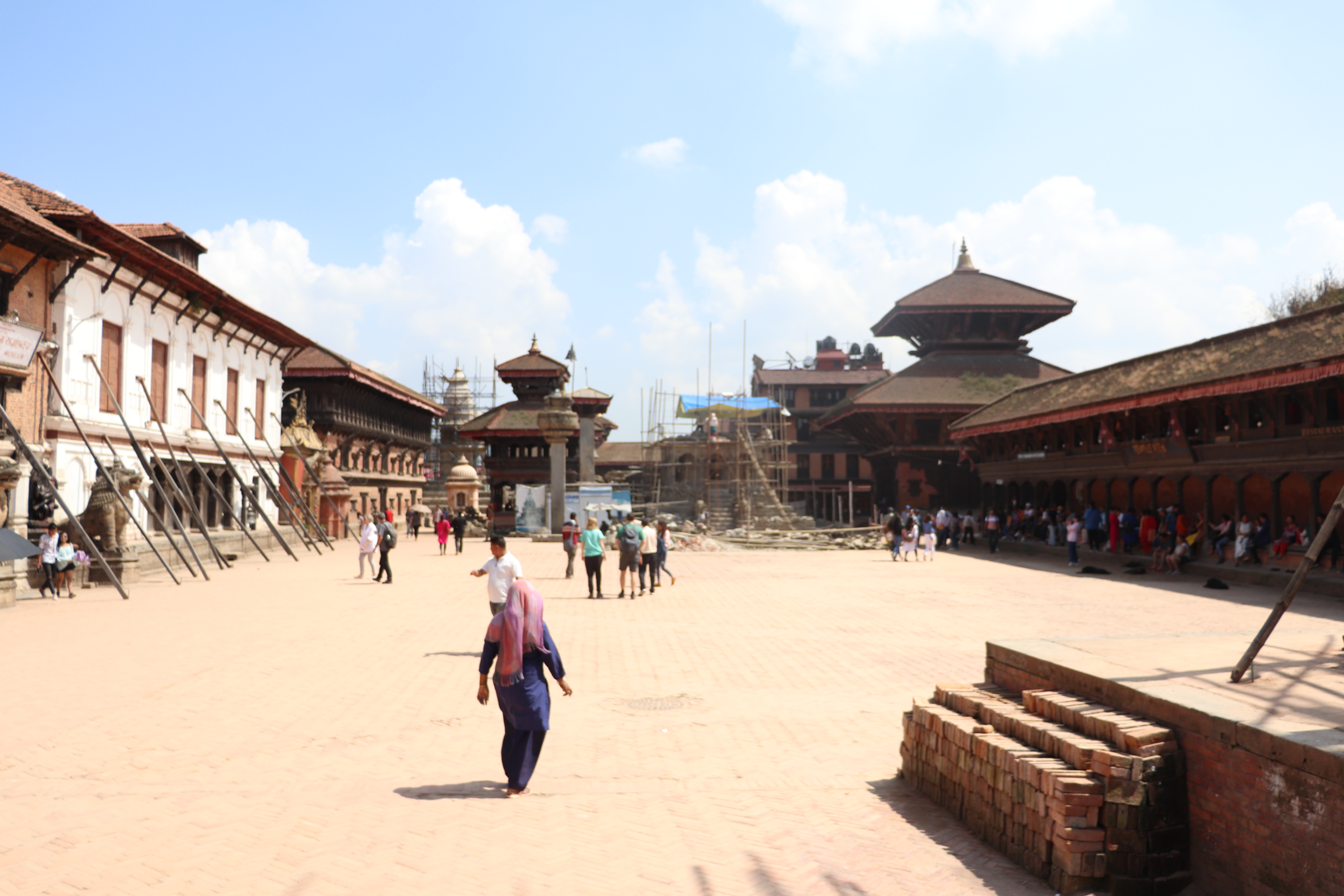
Offered by Mountain Hiking & Trekking Pvt.Ltd
 NEPAL · TRAVEL EXPERIENCES
Discover the journey
Also known as Kangde Ri and Kwangde dominates the south-west of Namche village the gateway to Everest. It is a difficult mountain to climb and stands at a height of 6,011m. It forms an impressive multi-summated ridge at the eastern end of the Lumding Himal range, which in turn is part of Rolwaling Himal. The mountain stands above the Bhote Koshi River which borders the Rolwaling area in the West with Khumbu area in the East. The northern part of the mountain forms an impressive barrier having several steep ridges to the north. Kwangde peak 6011meter is located above the famous Sherpa village of Namche Bazaar and is ripe for those wanting to ascend a seldom-climbed 6000-meter peak. Combine this with a remote approach walk through un-spoilt alpine terrain and you have the essence of this challenging climb. This difficult mountain forms an impressive, multi- summated ridge in the Khumbu region. The actual mass of the mountain is a 3 mile ridge running from the summit of Nup (6,035m. /19,799 ft.) Southeast through the summits of Kwangde Lho (6,187m. /20,298 ft.) and Kwangde Shar (6,093m. /19,990 ft.) and then turns sharply south-southeast through several lower summits and terminates at Nupla (5,885m. /19,307 ft.) All of these summits are included in the peak permit. The problem is that every route that has been climbed on the Kwangde Peaks is difficult and requires advanced technical expertise. The Kwangde massif is the last part of the Lumding Himal and rises above Namche Bazaar. This is one of the trekking peaks of Nepal, so a trekking-peak permit is sufficient.The ridge contains at least 4 peaks. All can be climbed with one permit. All peaks of this ridge are above 6000m and inhibit some relatively small glaciers and some steep rock-faces. This peak offers views of the Rolwaling, Cho Oyu, and Everest and Ama Dablam regions.
The memorable moments
Scenic Flight to Lukla: The adventure begins with a thrilling flight from Kathmandu to Lukla, offering breathtaking views of the Himalayan landscape. Remote and Less Crowded: Kwande Peak is a less-visited peak compared to some of the more popular ones in the Everest region, providing a sense of solitude and wilderness. Diverse Terrain: The expedition takes you through diverse terrain, including lush forests, picturesque villages, glaciers, and rocky ridges. Cultural Immersion: You'll have the opportunity to interact with the local Sherpa communities and experience their unique culture and traditions. Spectacular Mountain Views: Kwande Peak offers stunning panoramic views of iconic Himalayan peaks, including Mount Everest, Lhotse, Ama Dablam, Thamserku, and many others. High-Altitude Challenge: Summiting Kwande Peak involves ascending to an altitude of over 6,000 meters, providing a challenging high-altitude experience. Technical Climbing: The ascent may include technical climbing, such as using ropes, crampons, ice axes, and other mountaineering equipment. Acclimatization: The itinerary includes acclimatization days to help you adjust to the high altitudes and reduce the risk of altitude sickness. Camp Life: Experience the camaraderie and unique atmosphere of high-altitude base camps and tented camps. Local Guides: Your experienced local guides and support staff play a crucial role in ensuring a safe and successful expedition. Summit Achievement: Reaching the summit of Kwande Peak is a remarkable accomplishment and provides a sense of triumph and awe-inspiring views. Return to Lukla: After the summit, the journey back to Lukla and Kathmandu allows for reflection and relaxation.
Journey at a glance
Day Day 01.: Kathmandu — Kathmandu- 1340M (Arrival day and Transfer to hotel) - Hotel Day Day 02.: Full Day sightseeing of KTM Durbar Square — Kathmandu Durbar Square: Kathmandu Durbar Square is one of the historic squares in Kathmandu Valley and is a UNESCO World Heritage Site. It's home to ancient palaces, courtyards, and temples, reflecting the architectural and artistic achievements of the Malla kings who once ruled the city. You can explore intricately carved buildings and learn about Nepal's royal history. Swayambhunath (Monkey Temple): Swayambhunath is an ancient stupa situated on a hilltop overlooking Kathmandu. It's a significant religious site for Buddhists and Hindus alike. The stupa is known for its iconic white dome and a spire with the eyes of Buddha painted on it. The area is also inhabited by a large number of monkeys, hence the name "Monkey Temple." Boudhanath: Boudhanath is one of the largest stupas in Nepal and is a focal point of Tibetan Buddhism. The stupa is surrounded by prayer wheels, small stupas, and monasteries. It's a serene and spiritual place where visitors can walk around the stupa, spin prayer wheels, and observe monks and pilgrims performing their rituals. Pashupatinath: Pashupatinath Temple is one of the holiest Hindu temples in Nepal and is located on the banks of the Bagmati River. It is dedicated to Lord Shiva and attracts devotees from all over the world. The temple complex is also a cremation site, and you can witness the Hindu cremation rituals on the banks of the river. Hotel (B/B): "B/B" typically stands for Bed and Breakfast. This means your accommodation includes a night's stay and breakfast the next morning. Day Day 03:: Fly to Lukla (2840M) & Trek to Phakding (2800M) — Fly to Lukla (2840M) & Trek to Phakding (2800M) - Approx.4 hrs-Lodge (B/L/D) Fly to Lukla (2840 meters): Lukla is a small town and the gateway to the Everest region. Most trekkers and mountaineers heading to the Everest Base Camp or other destinations in the Khumbu region start their journey from Lukla. The flight from Kathmandu to Lukla is a thrilling experience as you fly through the Himalayan foothills and land on a short, sloping runway at the Tenzing-Hillary Airport in Lukla. The airport is named after Sir Edmund Hillary and Tenzing Norgay, the first climbers to reach the summit of Mount Everest. Trek to Phakding: After arriving in Lukla, you'll start your trek to Phakding, which is about a 3-4 hour walk. The trail descends gently through picturesque villages, terraced fields, and along the Dudh Koshi River. Phakding is a small village where you can find teahouses and lodges for accommodation. It's a common stopover point for trekkers on their way to Namche Bazaar and the higher reaches of the Everest region. Day Day 04.: Trek to Namche Bazzar (3440M) — Trek to Namche Bazzar (3440M) - Approx- 6 hrs-Lodge (B/L/D) The trek from Phakding to Namche Bazaar is one of the more challenging segments of the Everest Base Camp trek. It takes about 5-7 hours to complete, depending on your pace and acclimatization breaks. You'll follow the Dudh Koshi River and cross several suspension bridges along the way. The trail passes through the Sagarmatha National Park, so you'll need to obtain the necessary permits at the park entrance. As you ascend, the terrain becomes steeper, and you'll encounter a challenging climb known as the "Namche Hill" or "Hillary Step." This part of the trek can be physically demanding, so it's important to take your time and maintain a steady pace. Upon reaching Namche Bazaar (3,440 meters), you'll be rewarded with breathtaking views of the Himalayan peaks, including Mount Everest, Lhotse, and Ama Dablam. Namche is a bustling Sherpa town with numerous teahouses, restaurants, shops, and facilities for trekkers. Namche Bazaar is also a significant acclimatization stop on the trek. Spending an extra day here can help your body adjust to the higher altitude and reduce the risk of altitude sickness. It's a good opportunity to explore the town, visit the local market, and acclimate before continuing your journey to higher altitudes. Day Day 05.: Trek to Syangboche, Rest — Trek to Syangboche, Rest/Acclimatization and Back to Namche Bazzar- approx 3 hrs-Lodge (B/L/D) Syangboche is a location in the Everest region, and it's often associated with the Syangboche Airstrip, which is used for chartered helicopter flights. It's at a higher altitude than Namche Bazaar. You can reach Syangboche via a relatively short trek from Namche Bazaar. The trek takes around 2-3 hours, and it offers stunning views of the Himalayan peaks, including Mount Everest. Syangboche is known for its breathtaking panoramas, and it's a place where some trekkers choose to acclimatize. The higher altitude can help with acclimatization before ascending to even greater heights. Resting in Syangboche allows you to soak in the beautiful surroundings, acclimatize further, and explore the area. There are lodges and teahouses in Syangboche where you can relax and enjoy the mountain scenery. Day Day 06.: Trek from Namche Bazaar to Thame 3,820 meters (12,533 ft. — Trek from Namche Bazaar to Thame: The trek from Namche Bazaar to Thame takes approximately 5-6 hours, covering a distance of around 12 kilometers. The time can vary depending on your pace and acclimatization breaks. You'll continue your ascent to higher altitudes as you leave Namche Bazaar. The trail leads through a series of picturesque villages, offering you a glimpse into the Sherpa culture and their traditional way of life. The trek provides stunning views of the surrounding mountains, including Thamserku and Kongde Ri. You'll also follow the Bhote Koshi River for much of the way. Thame is a charming village located at an elevation of 3,820 meters (12,533 feet). It's a less crowded and quieter alternative to some of the more popular Everest Base Camp trekking destinations like Tengboche or Dingboche. Thame is famous for its monastery, the Thame Gompa. This monastery is a significant pilgrimage site for Buddhists and is home to a collection of ancient religious artifacts and manuscripts. Lodge accommodations are available in Thame, where you can find a comfortable place to rest and enjoy warm meals. The lodge owners are usually hospitable and cater to the needs of trekkers. The trek to Thame from Namche Bazaar offers a more serene and off-the-beaten-path experience while still providing magnificent mountain views and insights i Day Day 07.: Trek from Thame to Kwangde Base Camp 4700 meters (15,420 feet — Trek from Thame to Kwangde Base Camp: The trek from Thame to Kwangde Base Camp takes about 5 hours, covering a distance of approximately 4700 meters (15,420 feet). This part of the trek is challenging, both in terms of altitude gain and terrain. As you leave Thame, you'll follow a trail that ascends steadily into the high alpine region. The views along the way are breathtaking, with towering peaks and pristine landscapes. Kwangde Base Camp is situated at the base of Kwangde Ri, one of the lesser-known but stunning peaks in the Everest region. It's a remote and less-visited area, providing a sense of solitude and wilderness. Since you'll be staying overnight at a tent camp, you'll need to ensure you have the appropriate gear and equipment for a comfortable night at high altitude. Make sure to coordinate with your guides and trekking company to have everything you need. The night at Kwangde Base Camp allows you to immerse yourself in the high Himalayan environment and experience the tranquility of this less-visited region. Keep in mind that at this altitude, the temperatures can drop significantly, so be prepared with warm clothing and gear for the overnight stay. This part of the trek offers a unique opportunity to explore off-the-beaten-path areas and appreciate the rugged beauty of the Himalayas. Day Day 08.: Acclimatization Day at Base Camp: — Acclimatization Day at Base Camp: An acclimatization day is a rest day designed to allow your body to adjust to the high altitude. It's essential to reduce the risk of altitude sickness and ensure a safer and more enjoyable journey. During your acclimatization day, you'll stay at the base camp, and you won't be actively trekking or ascending to higher altitudes. This gives your body a chance to adapt to the reduced oxygen levels at high elevations. While at base camp, you can take it easy, relax, and enjoy the incredible views of the surrounding mountains, including the majestic Mount Everest. You'll also have the opportunity to interact with fellow trekkers and climbers who are on their journeys to reach the summit. It's a good idea to engage in light activities, such as short walks around the base camp, to help maintain your circulation and prevent stiffness. Rest, hydration, and proper nutrition are also key to a successful acclimatization day. Some trekkers might experience mild altitude-related symptoms during their time at base camp, such as headaches, fatigue, or shortness of breath. These are common, and they often improve with rest and hydration. However, it's important to monitor your health and communicate with your trekking guides or medical professionals if any symptoms persist or worsen. Acclimatization days are a crucial part of high-altitude trekking, as they prepare your body for further ascents to even higher elevations. It's a gradual process that allows you to enjoy the breathtaking scenery and the unique atmosphere of Everest Base Camp. Day Day 09.: Trek to High Camp — Trek to High Camp: The trek to the high camp typically involves gaining even more altitude, which is necessary for acclimatization and reaching your ultimate destination, whether it's a high-altitude trekking peak, base camp for a mountain expedition, or another goal. Depending on the specific location of your high camp and the altitude gain, this part of the trek may take several hours. The time and distance can vary based on your starting point and the elevation of the high camp. The terrain may become steeper and more challenging as you ascend to higher altitudes. It's important to take it slow and steady to minimize the risk of altitude-related issues and to conserve your energy. High camp accommodations are usually in tents, as you've mentioned. Tented camps at high altitudes provide basic shelter, and you should be prepared for colder temperatures. Ensure you have appropriate gear and clothing to stay warm and comfortable. This part of the journey is often more remote and less crowded, allowing you to appreciate the solitude and tranquility of the high mountain environment. It's crucial to remain well-hydrated and well-fed to support your body's needs at high altitudes. Your guides and trekking company will provide necessary support, including meals and safety precautions. Trekking to the high camp is a significant step toward your trekking or mountaineering goals. It's important to stay in close communication with your guides and follow their advice to ensure a safe and successful journey at high altitudes. Be mindful of any altitude-related symptoms and prioritize your health and acclimatization during this phase of the trip. Day Day 10.: Kwangde Peak Summit (6011m/19721ft.) — Kwangde Peak Summit: Kwangde Peak, also known as Kwangde Ri, is one of the less frequently climbed peaks in the Everest region but offers stunning panoramic views of the surrounding Himalayan peaks. Summit day is a long and demanding day, starting early in the morning. The exact time of departure and the route to the summit will depend on your guides, weather conditions, and the specific logistics of your expedition. The climb will be physically demanding, involving steep ascents, rocky terrain, and possibly snow and ice. Make sure you have the appropriate mountaineering equipment, including crampons, ice axes, ropes, and safety gear. It's essential to be in good physical condition and well-acclimatized for the high-altitude climb. Altitude sickness can be a significant concern, so monitor your health and communicate with your guides. The summit of Kwangde Peak is your ultimate goal for this day, and reaching it will provide a profound sense of accomplishment and breathtaking views. The exact altitude of the summit varies depending on the route, but it's typically over 6,000 meters (20,000 feet). After reaching the summit, take time to savor the moment and capture the incredible vistas with photos. However, it's equally important to begin the descent in a timely manner, as summiting is only halfway, and the descent can be equally challenging. The descent to your high camp or a lower elevation camp will require careful navigation and safe mountaineering practices. Descending with caution is essential to avoid accidents and ensure a successful expedition. Day Day 11.: Trek from Base Camp to Thame 3,820 meters (12,533 feet) — Trek from Base Camp to Thame: This trek involves descending from a higher altitude at the base camp to Thame, which is situated at 3,820 meters (12,533 feet). Descending is an essential part of acclimatization to reduce the risk of altitude-related issues. The duration of the trek is typically around 5 hours, but it can vary based on the specific location of your base camp and the trail conditions. The descent may be physically less demanding than the ascent, but it's still important to take it slow and steady to protect your knees and joints. Thame is a picturesque Sherpa village that offers a tranquil setting, and it's an excellent place to unwind and relax. You can explore the local culture and enjoy the hospitality of the teahouse accommodations. Tea house accommodations provide a comfortable and cozy environment with meals and basic amenities. You'll have a chance to interact with fellow trekkers and share your experiences. During this descent, you'll have a chance to reflect on your high-altitude experience and appreciate the incredible beauty of the Everest region from a different perspective. Day Day 12.: Trek from Thame to Manjo: 2,820 meters (9,252 feet) — Trek from Thame to Manjo: The trek from Thame to Manjo is a full day's journey and covers a significant distance. It typically takes around 7 hours, but the time may vary depending on your pace and trail conditions. You'll be gradually descending from the higher altitudes of Thame to Manjo, which is at 2,820 meters (9,252 feet). The terrain may include both uphill and downhill sections, as you'll be following the Dudh Koshi River. Along the way, you'll pass through a series of picturesque villages, rhododendron forests, and open landscapes. Keep an eye out for the stunning mountain views that the Everest region is known for. Manjo is a small village and is often used as a stopping point for trekkers who are completing the Everest Base Camp trek. It's situated in the Sagarmatha National Park and serves as an entry and exit point for the park, where you'll need to check in and out. Lodge accommodations in Manjo provide a comfortable place to rest, and you'll have access to meals and basic amenities. It's a great place to unwind after a long day of trekking. Manjo is also not far from Phakding, which is another popular village on the Everest Base Camp trek route. It's here that the trail splits, with one path leading to Lukla and the other continuing on to Namche Bazaar. As you trek from Thame to Manjo, you'll continue to experience the natural beauty and cultural richness of the Everest region. It's important to stay well-hydrated, maintain a steady pace, and take breaks as needed to ensure a safe and enjoyable journey. Day Day 13.: Trek from Manjo to Lukla — Trek from Manjo to Lukla: The trek from Manjo to Lukla typically takes around 4-5 hours, covering a distance of approximately 8 kilometers. It's a relatively shorter and easier trek compared to some of the previous days. As you make your way from Manjo, you'll follow the Dudh Koshi River and retrace your steps along the same trail you used when initially entering the region. This means that you'll pass through familiar villages like Phakding and Chheplung. The path includes suspension bridges, forests, and scenic landscapes. You'll also enjoy your last glimpses of the towering Himalayan peaks before reaching Lukla. Lukla is the gateway to the Everest region and where you initially flew into at the start of your journey. It's the main hub for trekking and mountaineering activities in the Khumbu Valley. You can celebrate the completion of your trek and reflect on your memorable experiences in the Himalayas while in Lukla. There are many tea houses, restaurants, and shops in Lukla, making it a convenient place to relax and prepare for your return to Kathmandu. Be sure to settle any administrative tasks, such as returning rented trekking equipment and confirming your flight back to Kathmandu. Lukla Airport is known for its short and challenging runway, so flight schedules can be subject to weather conditions. The trek from Manjo to Lukla marks the end of your adventure in the Everest region. It's a time to relax, enjoy the amenities of a more developed town, and prepare for your return flight to Kathmandu. Congratulations on completing your trek in this spectacular part of the world! Day Day 14.: Fly to Kathmandu & Transfer to hotel — Flying from Lukla to Kathmandu is the typical way to return to the capital city after completing a trek in the Everest region. Here's what you can expect: Lukla Airport: Lukla Airport, also known as Tenzing-Hillary Airport, is one of the most famous and unique airports in the world. The airport's short and sloping runway is situated in the mountains, and flights are subject to weather conditions. Flight schedules can be unpredictable due to mountain weather, so it's important to be flexible and prepared for potential delays. Flight to Kathmandu: Once your flight from Lukla to Kathmandu is scheduled and ready to depart, you'll experience a scenic flight through the Himalayan foothills. The flight provides stunning views of the mountains and landscapes below. Arrival in Kathmandu: After landing at Tribhuvan International Airport in Kathmandu, you'll be transferred to your hotel. The transfer is typically arranged by your trekking company or accommodation provider. Hotel in Kathmandu: Your hotel in Kathmandu is where you'll stay for your final night in Nepal. It's a time to relax, freshen up, and reflect on your trekking adventure. Depending on your preferences and budget, you can choose from a range of hotels in Kathmandu, from budget accommodations to luxury options. Rest and Relaxation: Your return to Kathmandu marks the end of your trek, and you can take the opportunity to explore more of the city, do some souvenir shopping, or simply unwind before departing for home or your next destination. Day Day 15.: Reserve day (Incase flight cancelled due to Bad weather) — Monitoring Weather Conditions: On your scheduled flight day from Lukla to Kathmandu, if the weather is unfavorable and flights are canceled, you'll stay in Lukla and monitor the weather situation. Rebooking Flights: Your trekking agency or the airline you're flying with will help you rebook your flight for the next available slot. It's important to stay in communication with them. Use of Reserve Day: If your flight is successfully rescheduled and you make it to Kathmandu on your original planned date, the reserve day can serve as an extra day of rest or an opportunity to explore Kathmandu further. Preparation for Departure: Use this time to prepare for your journey home or onward travel. You can do any last-minute shopping, pack your belongings, or enjoy some leisure time in Kathmandu. Day Day 16.: Departure to Airport and Back to Home — Departure day is the final day of your journey, and it involves traveling from your hotel in Kathmandu to the airport for your flight back home. Here's what you can expect: Check-Out from Your Hotel: Check-out time from your hotel in Kathmandu may vary, but it's typically in the morning. Make sure you settle any outstanding bills, return any rented equipment, and pack your belongings. Transportation to the Airport: Your trekking company or hotel can arrange transportation to Tribhuvan International Airport in Kathmandu. The journey to the airport can take around 30 minutes to an hour, depending on traffic conditions. Arrival at the Airport: Once you arrive at the airport, follow the standard departure procedures. This includes checking in, going through security, and clearing immigration if you're departing on an international flight. Boarding Your Flight: Proceed to your departure gate and board your flight. Ensure you have all necessary travel documents, including your passport, boarding pass, and any required visas. Flight Back Home: Your flight will take you back to your home country or your next destination, depending on your travel plans. The duration of the flight will depend on your route and the specific airline you're flying with. Arrival at Your Destination: Upon arriving at your destination, you'll go through immigration and customs procedures, retrieve your luggage, and exit the airport.
Day-by-day itinerary
Day 10: Kwangde Peak Summit (6011m/19721ft.) — Kwangde Peak Summit:
Confirm daily arrangements with the provider.
Day 11: Trek from Base Camp to Thame 3,820 meters (12,533 feet) — Trek from Base Camp to Thame:
Confirm daily arrangements with the provider.
Day 12: Trek from Thame to Manjo: 2,820 meters (9,252 feet) — Trek from Thame to Manjo:
Confirm daily arrangements with the provider.
Day 13: Trek from Manjo to Lukla — Trek from Manjo to Lukla:
Confirm daily arrangements with the provider.
Day 14: Fly to Kathmandu & Transfer to hotel — Flying from Lukla to Kathmandu is the typical way to return to the capital city after completing a trek in the Everest region. Here's what you can expect:
Confirm daily arrangements with the provider.
Day 15: Reserve day (Incase flight cancelled due to Bad weather) —
Confirm daily arrangements with the provider.
Day 16: Departure to Airport and Back to Home — Departure day is the final day of your journey, and it involves traveling from your hotel in Kathmandu to the airport for your flight back home. Here's what you can expect:
Confirm daily arrangements with the provider.
What's included in your experience
Included
- Transportation: Return transfers from International and Domestic airports to your hotel.
- Hotel stays: One night stay at the Hotel in Kathmandu 3 star categories
- Entry fees: All government taxes and Everest National park entry fees.
- TIMS CARD: (Trekking Information Management System).
- Peak permit fees: Kwangde peak (6,011m) permits $250.
- Garbage deposit.
- Guide & porter: Required number of experienced English-speaking guides and support staff (we pay for their daily wages, insurances, trekking equipment, food, and accommodation).
- Wages: 11 days guide wages including his insurances/meals and accommodation/insurances/equipment
- Wages: 11 days porter (to carry your luggage) wages including his insurances/meals/accommodation/equipment
- Accommodation: 9 nights mountain lodge accommodation (best available) with twin sharing basis on tea house services trek
- Accommodation: Twin sharing lodge accommodation during the trek on tea house services and camping services.
- Experiences Climbing guide Experience climbing guide during the climbing period & and his wages.
- 3 night 4 days: Camping services during the climbing period and including your all meals (Lunch/dinner and breakfast).
- Group climbing gears: required fixed and dynamic rope during the climbing period.
- Climbing gear: climbing personal gears which we hire on Chhukung
- Food: Climbing High food.
- sleeping bag/warm down jacket and walking poles if necessary.
- Domestic flight ticket guest: Kathmandu – Lukla – Kathmandu.
- Domestic flight ticket guide: Kathmandu – Lukla – Kathmandu.
- Digital pulse: Oximeters for high altitude check
- Crampons: Snow walking crampons in mountains if necessary
- Water purification tablets: unlimited Chlorine treated Safe Drinking water
- Supplementary snacks: energy bars and cookies at base camp
- Fruits: Seasonal fresh fruits where is possible
- Local SIM CARD (NCELL), to return after the trek completed
- Rescue arrangements: in the emergency situation & worst weather condition
- Diamox: Additional medication for altitude sickness (Acetazolamide etc)
- Map: Everest region trekking map
- Rubbish disposal
Not included
- Meals: All meals (lunch/dinner/breakfast) in Kathmandu & on the trek
- Snacks: chocolate/aerated drinks/mineral water/alcoholic drinks/nutria bars
- Hotel stays: extra night hotel stay in Kathmandu
- Tipping: end of the trek tips to guides and support staff
- Rescue services: additional costs in case of emergency (You must have adequate medical & travel insurance to cover any kind of emergencies), including helicopter evacuation & hospitalization (medical test, medicine) if required
- extra expenses: personal expenses and any other unforeseen expenses, such as bottle water/coca-cola/WIFI on trek/hot shower/electric device recharge
- city visit: sightseeing in Kathmandu entrance fees/transportation/hire guide
- Flight ticket: Your International flight ticket airfare & Nepal entry visa fees which travel visa can get up on your arrival in Kathmandu airport, On Arrival Visa Fee 15 Days – 30 USD, 30 Days – 50 USD, 90 Days – 125 USD
- Services not mentioned herein
- Personal trekking equipment
Essential trip information
Before you go
Travle insurance Travel Insurance is mandatory for all customers who looking to travel in Nepal with the Mountain Hiking & Trekking .The Travel Insurance must cover both the evacuation and medical cost There are many insurance companies that offer travel insurance services over the internet. You can choose from a wide variety of insurance companies as per your convenience. Especially when it comes to trekking in Nepal, there is always a narrow chance of minor health issues, injuries and most importantly – altitude sickness. It is essential that you prefer an insurance rule that covers the cost of the helicopter rescue from the mountains in case of main accidents and delicate mountain sickness (AMS). through such great cases of an emergency evacuation, a helicopter service is the only way out of the mountains. This includes a rescue team for both – ground evacuation and rescue. Which is why we need your travel insurances to cover the cost of helicopter services and evacuation from the Himalayas It is forever recovered to be safe than apologetic. Before you plan your trip with Mountain Hiking & Trekking do make sure that your travel insurance covers all the costs mentioned above from a reliable company. Suggested Travel Insurance Companies: https://www.travelguard.com https://www.worldnomads.com https://www.mondial-assistance.ca https://www.travelassistnetwork.com/ https://www.travelex-insurance.com/ https://www.travelite.com/ https://www.tugo.com https://www.hccmis.com/atlas-travel-insurance
Fitness & eligibility
1
Meeting point
Kathmandu
What to bring
- Trekking Equipment
- The following is a list of clothing and accessories that we recommend for treks and climbs in Nepal. This is not intended to be a comprehensive clothing and equipment list, rather it is intended to act as a reminder of those items that we feel are essential for your comfort and convenience. However we recognize that you may have your own personal preferences for clothing which may be equally as suitable.
- The following is a list of clothing and accessories that we recommend for treks and climbs in Nepal. This is not intended to be a comprehensive clothing and equipment list, rather it is intended to act as a reminder of those items that we feel are essential for your comfort and convenience. However we recognize that you may have your own personal preferences for clothing which may be equally as suitable.
- For Head
- Sun hat or scarf
- Light balaclava or warm fleece hat
- Sunglasses with UV protection
- Upper Body
- T-shirts (2)
- Light and expedition weight thermal tops
- Fleece jacket or pullover
- Fleece Wind-Stopper jacket (optional)
- Waterproof (preferably breathable fabric) shell jacket
- Down vest and/or jacket (optional)
- For Hands
- Lightweight gloves
- Heavyweight gloves or mittens with a waterproof shell outer
- Lower Body
- Underwear (4)
- Hiking shorts (2)
- Lightweight cotton long pants
- Light and expedition weight thermal bottoms
- Fleece or wool pants
- Waterproof (preferably breathable fabric) shell pants
- For Feet
- Thin, lightweight inner socks (4)
- Thick, warm wool hiking socks (4)
- Hiking boots with spare laces
- Camp shoes (sneakers and/or sandals)
- Gaiters (Optional)
- Accessories
- Sleeping bag rated -10C. to -20C (Depending on trekking region)
- Headlamp (e.g. Petzl Zoom) with spare bulbs and batteries
- Small pad or combination lock-to-lock trek bag
- Basic First Aid Kit (see Health and Medicinal)
- Large plastic bags - for keeping items dry inside trek bags
- Daypack (approximately 2500 to 3000 cubic inches)
- Thermarest sleeping pad (Only Camping Trek)
- Water bottles (2)
- Toiletries
Cancellation terms
We encourage you to read the terms and conditions carefully before booking any trips with us, by submitting the booking form you are agreeing to be bound by the conditions of the terms and please go through the following Terms and Conditions that govern the relationship between you (client) and Mountain Hiking & Trekking P. Ltd) (hereinafter referred as "The Company"), Registered Company Number 74068/066/067, both parties agree to these Terms and Conditions to resolve any legal or other disputes that may arise during the trip. Trip Booking: A 'trip' refers to any product itinerary or activities that are listed in our official website www.himalayaguide.com that you buy from us including Trekking, Tours, Expeditions, and/or other adventure and tour programs. A booking is accepted and becomes definite only from the date when the Company sends a confirmation email then the contract between the Company and the Client comes into existence. Before your booking is confirmed and a contract comes into force, the Company reserves the right to increase or decrease prices. Please note that the company would not be liable to any warranty, collateral agreement, prior agreement, description of services, or conditions, other than as expressed herein. Deposit Requirement For Booking Trip: I) Nepal Trips: For Nepal Trips, you will have to make a deposit of 25% of trip cost at the time of booking. The Deposit amount is nonrefundable. the remaining 75% amount is payable upon your arrival in Kathmandu and before the trip departure from Kathmandu. The deposit should be sent to the Company, The Tailor Made trips may require a higher deposit or full payment at the time of booking so, if deposit is different from that outlined in this clause, you will be advised by the company at the time of booking. II) Tibet/ Bhutan Trips: For the Booking of Tibet and Bhutan Trips, you will make 35% of the trip cost at the time of Booking. The Deposit amount is nonrefundable. and the remaining 60% is payable upon arrival in Kathmandu and before the trip departure. Method of Payment Booking deposit can be made by bank transfer, by Credit Card (Visa or Mastercard) and western union: Booking paying by any credit card is Free of charge http://www.himalayaguide.com/payment.html if you want to pay by credit card we are 100% online secure payment systems Payment via Wire/Bank Transfer: Our Bank Details for wire Transfer: Name of the Account Holder: - Mountain Hiking & Trekking P. LTD Account Number: - 00207405260011 Account Type: - Current Paying Bank- Himalayan Bank LTD. Bank Address:- Thamel, Kathamandu, Nepal Post Box No: - 14444 Swift Code: - HIMANPKA Note: Bank service charge should be paid by the clients themselves at the time of deposit. Please note that we are not liable of any delay or loss during the transfer process, If in case due to use of mediator bank or any other reasons if the money received by us is less than the amount sent, you are requested upon arrival to pay accordingly so that the total is equivalent to the product cost. E-mail us the bank reference number or remittance slipserence number/remittance slips and sender details, and it will be easy for us to check. after you initiate the transfer, sometimes bank forwards the money with different name; if we have ref Final Payment: (a) Nepal Trips: Final payment on trekking, tours, climbing, expedition or any kind of trips in Nepal can be made upon arrival in Nepal and before the trip departure; final payment can be made by bank transfer, cash or by Credit Card (Visa or Master Card) and there is 0% surcharge when the payment is made by cards (this applies to final balances and trip extension only. b) Tibet and Bhutan Trips: Final payment of Tibet and Bhutan Trips should be made before the 30 days prior of the tour date and final payment can be made by bank transfer, or by Credit Card (Visa or Master Card) and there is 0% surcharge when the payment is made by cards (this applies to deposits, final balances and trip extension only Trip Cancellation By The Client Any cancellation by a Client must be made in writing and acknowledged by the Company, the date on which the request to cancel is received by the Company, will determine the cancellation charge Cancellation of Nepal,Bhutan and Tibet Trips deposit amount is ( Non- Refundable) But you can use That deposit anytime when you come to nepal. a) The Client is strongly advised to take out cancellation insurance at the time of making the booking. b) No refunds will be made if you voluntarily leave a trip for any reason after the trip has start on,No refunds will be made for any accommodation, transport, sightseeing, meals or services not utilized. c) If you want to change the date of the tour, it is possible to change within our tour date (subject to availability) which may occur some additional cost for you. d) We will take last minute booking till 5 day prior of tour date for Nepal trips and till 20 days prior for Bhutan and Tibet trips and you need to make full payment to book the tour in these cases. Cancellation Of A Tour By The Company: Mountain Hiking & Trekking P. Ltd reserves the right to cancel any trip, including a guaranteed trip, prior to departure due to reasons beyond our control (due to natural disasters, flight cancellation, , industrial action, Mountain sickness, weather conditions and Early back to kathamandu from Trek or any Tour in nepal,bhutan and Tibet trip. In such a case, Mountain Hiking & Trekking P. Ltd will not refund any money Passport And Visas: All clients must have a valid passport with at least 6 months validity from return date, Nepalese visas can be obtained from the Nepalese Embassies or Consulate in your country or arrival in Kathmandu Airport. Please visit our Nepal Visa for the detail info. Complaints: If you have complaints about the trip, you can tell to operator/leader/guide at the earliest opportunity then he will take the appropriate action. Acceptance Of Risk: We are committed to provide the best services by performing our duties honestly & seriously to make your journey very smooth & successful. However, Mountain Hiking & Trekking P. Ltd and its related organization shall not be responsible for any changes in the itinerary due to unavoidable circumstance beyond our control such as govt. restriction, Land slide, road blockage, flood, snow political unrest, cancellation of flight, delay, sickness or accident and The nature of some of our trips is adventurous and risky as well, therefore may involve a personal risk. We would like to inform you that you have to take all risk on yourself such as damages or injuries or death resulting from these inherent risks.
There's more to experience.
Discover another journey, explore local experiences or find a place to stay.