Upper Dolpa Trekking
A journey shaped by the landscapes, people and experiences of Nepal.
Offered by Mountain Hiking & Trekking Pvt.Ltd
 NEPAL · TRAVEL EXPERIENCES
Discover the journey
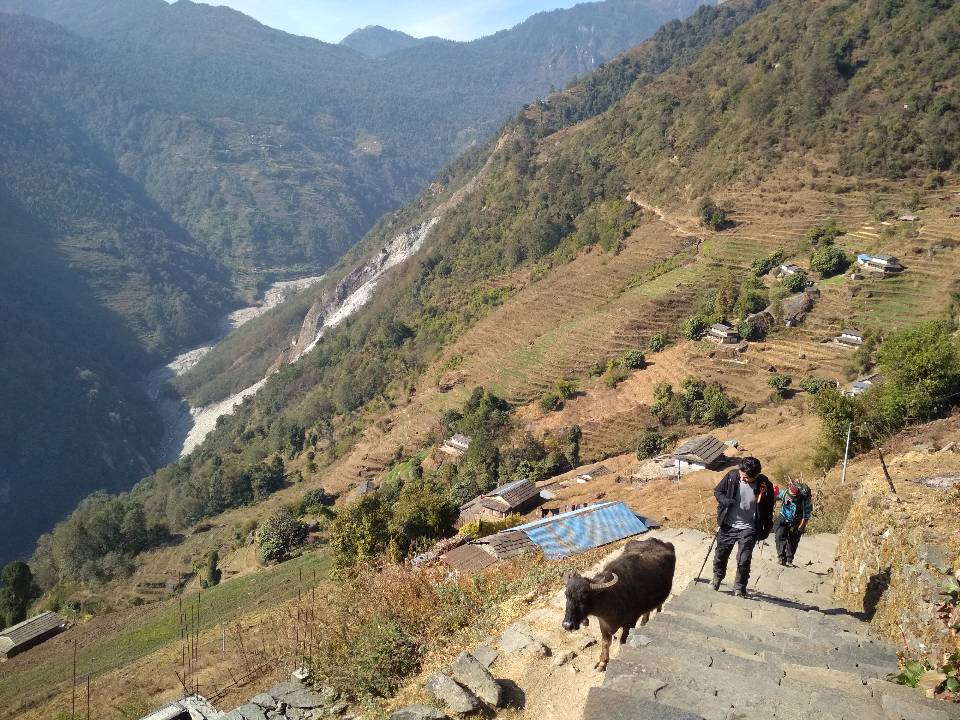
The Upper Dolpa Trek is a popular and challenging trekking route in the western part of Nepal. It takes trekkers to the remote and isolated region of Dolpa, which is home to the Dolpo people, an ethnic group with Tibetan roots. The Upper Dolpa Trek starts in Juphal, a small town in the Dolpa district. From there, trekkers follow the Phoksundo River and pass through picturesque villages, forests, and valleys. They also cross high mountain passes, including the Kang La Pass, which reaches an altitude of 5,360 meters. One of the main highlights of the Upper Dolpa Trek is the Phoksundo Lake, which is the deepest lake in Nepal and has a mesmerizing turquoise color. Trekkers also get to visit the Shey Gompa, a 800-year-old monastery that is considered one of the most sacred in the Himalayas. The trek can take up to 25 days, depending on the itinerary and pace. It is considered a strenuous trek due to the high altitude and challenging terrain. Trekkers should be in good physical condition and have prior trekking experience. Due to its remote location, the Upper Dolpa Trek requires a special permit, and trekkers are required to be accompanied by a registered guide. The best time to go is during the autumn and spring months when the weather is dry and clear.
The memorable moments
Phoksundo Lake: The trek passes through the Phoksundo Lake, which is the deepest lake in Nepal and has a mesmerizing turquoise color. Shey Gompa: The Shey Gompa is an 800-year-old monastery that is considered one of the most sacred in the Himalayas. Remote and isolated villages: The trek takes trekkers through remote and isolated villages that have remained largely untouched by modernization. Kang La Pass: The trek involves crossing high mountain passes, including the Kang La Pass, which reaches an altitude of 5,360 meters. Dhaulagiri massif: The trek offers stunning views of the Dhaulagiri massif, which is one of the highest mountain ranges in the world.
Journey at a glance
Day Day 01:: Kathmandu- Arrival 1,400 m (4,600 ft) — Well Come To Himalayas Nepal! We Pick Up You From Tribhuvan International Airport And Drop You To Your Hotel That we Have Booked. After Resting Some Hours We Will Meet To Brief You About Our Program. Day Day 02:: Kathmandu: sightseeing tour and trek preparation — Duration: Approximately 5-6 hours Breakfast: Start your day with a hearty breakfast at your hotel or a local café to fuel up for the day ahead. Swayambhunath Stupa (Monkey Temple): Begin your tour by visiting Swayambhunath Stupa, one of the most iconic and ancient religious sites in Kathmandu. Explore the stupa's complex, which includes shrines, temples, and a large stupa adorned with prayer flags and colorful decorations. Enjoy panoramic views of the city from the hilltop location. Patan Durbar Square: Head to Patan Durbar Square, located in the city of Lalitpur (Patan), which is known for its well-preserved Newar architecture. Explore the various temples, palaces, courtyards, and intricate stone carvings that reflect the artistic and architectural heritage of the area. Lunch: Enjoy a traditional Nepali lunch at a local restaurant. This is a great opportunity to savor some local cuisine. Pashupatinath Temple: After lunch, visit Pashupatinath Temple, one of the most sacred Hindu temples in Nepal and a UNESCO World Heritage Site. Observe the temple's stunning architecture, and if you're respectful, you can witness Hindu cremation rituals along the Bagmati River. Boudhanath Stupa: Proceed to Boudhanath Stupa, one of the largest stupas in Nepal and a significant pilgrimage site for Buddhists. Take a leisurely walk around the stupa, spinning prayer wheels and observing the serene atmosphere. Thamel Shopping and Rest Break: Thamel is a vibrant neighborhood known for its shopping and dining options. Take a break to relax, do some shopping for souvenirs, or enjoy a cup of Nepali tea or coffee. Kathmandu Durbar Square: End your day at Kathmandu Durbar Square, another UNESCO World Heritage Site. Explore the historic square, admire the intricately carved wooden architecture of the old palace, temples, and statues. Evening Cultural Performance: Depending on the schedule, consider attending an evening cultural performance, such as traditional Nepali dances or music. These performances often provide insights into local culture and traditions. Dinner: Wrap up your day with a delicious dinner, either at your hotel or at a local restaurant. Meals: Breakfast only Acomodation Hotel Day Day 03:: Kathmandu To Nepalgunja 150 m (490 ft) — Wake up early and check out of your accommodation in Kathmandu. Head to Tribhuvan International Airport for your domestic flight to Nepalgunj. Domestic flights in Nepal can sometimes experience delays due to weather conditions or other factors, so it's a good idea to check your flight status in advance and be prepared for potential schedule changes. Once you arrive in Nepalgunj, you can check into a hotel or guesthouse to rest and prepare for your journey to Dolpo. Please note that flight schedules can vary, so it's essential to check with the airline for the most up-to-date information on flight timings and availability. Also, make sure to have all the necessary documents, permits, and trekking gear ready before your flight to Nepalgunj. This itinerary assumes that you are taking a morning flight from Kathmandu to Nepalgunj, but flight timings may differ. Adjust your plans accordingly based on your specific flight schedule. Day Day 04:: Nepalgunj to Jhuphal flight and trek to Dunai 2,000 m. (6,562 ft) — Wake up early and head to Nepalgunj Airport for your domestic flight to Jhuphal Airport in Dolpo. The flight duration is approximately 45 minutes to 1 hour, but flight schedules can vary. After landing in Jhuphal, take some time to acclimatize to the altitude and prepare for your trek. Begin your trek from Jhuphal to Dunai on the same day, as the distance is not too long. The trek from Jhuphal to Dunai usually takes around 4 to 6 hours, depending on your pace and stops along the way. You'll walk through picturesque landscapes, cross suspension bridges, and enjoy the natural beauty of the Dolpo region. Arrive in Dunai, which is the administrative center of Dolpo, and find accommodation for the night. Dunai offers guesthouses and lodges for trekkers. Day Day 05:: Trek from Dunai to Ankhe (2,896m/9,499ft) — The trek from Dunai to Ankhe is part of the Dolpo region trek in Nepal, which offers stunning landscapes and a glimpse into the unique culture of the area. Start early in the morning after breakfast from Dunai. Follow the trail that heads north along the banks of the Thuli Bheri River. The trail initially takes you through cultivated fields and small villages. As you continue, you'll pass through dense forests, cross several suspension bridges, and encounter beautiful landscapes along the way. After trekking for approximately 5-7 hours, you will reach the village of Ankhe. Ankhe is a small village with a few guesthouses where you can find accommodation for the night. Day Day 06:: Trek from Ankhe to Sulighat 3,180m/10,434ft — Trek from Ankhe to Sulighat is part of the Dolpo region trek in Nepal and offers beautiful landscapes and cultural experiences. After breakfast Begin your trek in the morning from the village of Ankhe. The trail from Ankhe to Sulighat follows the banks of the Thuli Bheri River. You'll trek through dense forests and encounter several suspension bridges along the way. Enjoy the natural beauty of the region as you walk through lush landscapes. After approximately 5-6 hours of trekking, you will reach the village of Sulighat. Sulighat is a small settlement, and you can find accommodation in guesthouses or camp if you have your camping gear. Day Day 7:: Sulighat to Phoksundo Lake 3,612m/11,851ft — The trek from Sulighat to Phoksundo Lake involves some elevation gain, and you will be walking in higher altitudes, so proper acclimatization is crucial. Start your trek from Sulighat, which is situated along the Thuli Bheri River. The trail continues along the riverbank, taking you through forests and meadows, offering picturesque views. You'll cross several suspension bridges and pass through small villages as you make your way towards Phoksundo Lake. As you trek further, you'll gradually gain elevation. After approximately 6-7 hours of trekking, you will arrive at the beautiful Phoksundo Lake. Day Day 8: Explore Phoksundo Lake and rest day — Taking a day of acclimatization and rest at Phoksundo Lake is an excellent idea, especially at higher altitudes. Here's how you can spend your day to ensure a safe and enjoyable experience: Sleep In: Use this day as an opportunity to catch up on your sleep. Resting in the morning allows your body to recover from the previous days of trekking and helps with acclimatization. Exploration: After a leisurely breakfast, you can explore the area around Phoksundo Lake. Some options include: Hike around the Lake: Take a scenic hike around the beautiful Phoksundo Lake. The trails provide different perspectives of the lake's stunning turquoise waters and the surrounding hills. Visit Shey Gompa: You can hike to Shey Gompa, a famous Buddhist monastery located near the lake. The monastery holds cultural and religious significance in the region, and the views from there are spectacular. Day Day9:: Trek to Phoksundo Khola (3,507m / 11,505ft) — Trekking to Phoksundo Khola is a beautiful journey that takes you further into the stunning Dolpo region of Nepal. Phoksundo Khola is the river that drains the famous Phoksundo Lake. Here's a guide on how to trek from Phoksundo Lake to Phoksundo Khola: Begin your trek from Phoksundo Lake, following the trail that leads downhill. The trail descends through lush forests, offering breathtaking views of the surrounding mountains and landscapes. As you descend, you'll reach the confluence of the Phoksundo Khola and another river. Continue to trek along the banks of the Phoksundo Khola, following the course of the river downstream. The trek offers various terrains, including forests, meadows, and rocky areas. After approximately 5-6 hours of trekking, you will reach the area near Phoksundo Khola. You can camp or find accommodation in the available teahouses or lodges in this area. Day Day 10:: Phoksunds Khola to Phoksundo Bhanjyang 3,910m/12,829ft — Trekking from Phoksundo Khola to Phoksundo Bhanjyang, which is at an elevation of 3,910 meters (12,829 feet), is a challenging but rewarding journey through the high-altitude landscapes of the Dolpo region in Nepal. Begin your trek from the Phoksundo Khola area. You'll be gaining significant elevation today, so it's essential to start early and be prepared for a long day of trekking. The trail from Phoksundo Khola to Phoksundo Bhanjyang involves a steep ascent. You'll be trekking through rocky and rugged terrain as you climb towards higher altitudes. As you gain elevation, the landscape may change from lush forests to alpine meadows and eventually to barren landscapes as you reach higher altitudes. The trek can be physically demanding due to the steep ascent and high altitude, so take your time and ensure proper acclimatization. Depending on your pace and stops along the way, it may take around 6-8 hours to reach Phoksundo Bhanjyang. Once you arrive at Phoksundo Bhanjyang, you can set up camp or find accommodation in the available teahouses or lodges. Day Day:11: Phoksundo Bhanjyang to Shey Gompa Kang-La pass 4360 m | 14,304 ft. — Trekking from Phoksundo Bhanjyang to Shey Gompa via the Kang-La pass is a challenging and adventurous journey that takes you through the high-altitude terrain of the Dolpo region in Nepal. Start your trek from Phoksundo Bhanjyang, which is at an altitude of around 3,910 meters (12,829 feet). The trail from Phoksundo Bhanjyang gradually ascends as you make your way towards the Kang-La pass. You'll pass through barren landscapes and rocky terrain as you climb higher in elevation. After several hours of trekking, you'll reach the Kang-La Base Camp, situated at a higher altitude. Camp or find accommodation in the available teahouses or lodges at the base camp. Day Day 12:: Acclimatization and rest at Shey Gompa 4360 m | 14,304 ft. — Taking a day of acclimatization and rest at Shey Gompa is an essential part of high-altitude trekking in the Dolpo region of Nepal. Sleep In: Start your rest day by getting some extra sleep in the morning. Restful sleep is crucial for recovery and acclimatization. Exploration: After a leisurely breakfast, explore Shey Gompa and its surroundings. Visit the Shey Monastery: Explore the ancient Shey Monastery, which is a significant spiritual and cultural site. Learn about the local Buddhist traditions and enjoy the unique architecture. Prayer Wheels and Mani Walls: Walk around the monastery and turn the prayer wheels while saying "Om Mani Padme Hum." You can also admire the intricate mani walls, which are stone structures with inscriptions of Buddhist mantras. Enjoy the Scenery: Take in the breathtaking mountain scenery that surrounds Shey Gompa. The high-altitude landscapes are perfect for photography and relaxation. Day Day 13:: Shey Gompa to Namduna Gaun via Saldang La (4,800m / 15,744ft) — Trekking from Shey Gompa to Namduna Gaun via the Saldang La pass is an adventurous journey through the high-altitude landscapes of the Dolpo region in Nepal. This route involves crossing a high mountain pass and offers stunning views of the Himalayas. Begin your trek early in the morning from Shey Gompa. The trail initially descends as you leave Shey Gompa behind and enter a valley. As you continue, you'll gradually gain elevation, climbing toward the Saldang La pass. The ascent to Saldang La can be steep and challenging, and you'll be trekking at high altitudes. It's crucial to take your time, maintain a steady pace, and stay well-hydrated. Along the way, you'll be treated to breathtaking mountain views and the unique alpine landscapes of the Dolpo region. After several hours of trekking and reaching the Saldang La pass, take a moment to rest and enjoy the panoramic views of the surrounding Himalayan peaks. From the pass, you'll descend into a new valley, and the terrain may become rocky and rugged. Continue trekking, following the trail down into the valley until you reach Namduna Gaun. Namduna Gaun is a remote village in the Dolpo region, and you can find accommodation in teahouses or lodges in the village. Day Day 14:: Namduna Gaun to Saldang 3,620 metres (11,880 ft) — Trek from Namduna Gaun to Saldang is a segment of your journey through the Dolpo region of Nepal. This region offers unique landscapes and cultural experiences. Here's a guide on how to trek from Namduna Gaun to Saldang: Begin your trek from Namduna Gaun after breakfast. You'll be leaving the village behind as you continue your journey. The trail may take you through beautiful valleys, across streams, and through remote and picturesque landscapes. As you trek, you'll likely encounter local people, and you can engage with them to learn about their culture and way of life. The trek to Saldang may involve some uphill and downhill sections, so be prepared for varying terrain. Saldang is one of the larger villages in the Dolpo region and is known for its Tibetan Buddhist culture and unique architecture. After several hours of trekking, you'll reach Saldang. Find accommodation in the village, where teahouses and lodges are available for trekkers. Day Day 15:: Saldang to Yangze Gompa 4,960m/16,272ft — Trek from Saldang to Yangze Gompa is another exciting segment of your journey through the Dolpo region in Nepal. Here's a guide on how to trek from Saldang to Yangze Gompa: Start your trek from Saldang after breakfast. Bid farewell to the village and its unique Tibetan Buddhist culture as you continue your adventure. The trail from Saldang to Yangze Gompa takes you through remote and rugged landscapes. You'll be walking amidst stunning Himalayan vistas and perhaps even spotting local wildlife. The trek may involve ascents and descents as you navigate the terrain. Be prepared for changes in elevation. Along the way, you'll likely encounter local villages and settlements, each with its own charm and cultural nuances. Take the opportunity to interact with the locals and learn about their way of life. After several hours of trekking, you'll arrive at Yangze Gompa. Yangze Gompa is a small and tranquil village known for its monastery. Explore the village, visit the monastery, and enjoy the serene atmosphere. Find accommodation in Yangze Gompa, where teahouses or lodges may be available for trekkers. Day Day 16:: Yangze Gompa to Sibu (4,560m/14,957ft): — Trek from Yangze Gompa to Sibu is another challenging leg of your journey through the Dolpo region in Nepal. This segment involves crossing a high-altitude pass, so proper acclimatization and preparation are crucial. Start your day early in the morning from Yangze Gompa. Leave the village behind as you continue your trek through the remote and rugged terrain of Dolpo. The trail takes you through high-altitude landscapes, and you'll be ascending in elevation as you approach the Saldang La pass. The ascent to Saldang La can be steep and strenuous, and the air is thin at this altitude. Take your time, maintain a steady pace, and ensure proper acclimatization. Along the way, you'll be treated to panoramic views of the surrounding Himalayan peaks and the unique beauty of the Dolpo region. After several hours of trekking, you'll reach the Saldang La pass, which is situated at an elevation of approximately 4,900 meters (16,076 feet). Enjoy the breathtaking vistas from the pass. From the pass, you'll descend towards Sibu. The descent may involve navigating rocky and challenging terrain. Eventually, you'll reach Sibu, which is at an elevation of 4,560 meters (14,957 feet). Find accommodation in the available teahouses or lodges in the village. Day Day 17:: Sibu to Jeng-la Phedi 4900m/16072ft — Begin your trek from Sibu after an early breakfast. Bid farewell to the village and its serene surroundings as you continue your journey. The trail will take you through high-altitude landscapes, and you'll be gaining elevation as you approach the Jeng La pass. The terrain may be challenging, with rocky sections and steep ascents. Take your time and maintain a steady pace to conserve your energy. As you ascend towards the Jeng La pass, enjoy the incredible mountain views that surround you. After several hours of trekking, you'll reach Jeng-la Phedi, the base camp for Jeng La pass. This campsite provides a suitable location to rest and prepare for the pass crossing. Set up your camp or find accommodation in the basic teahouses or lodges in Jeng-la Phedi. Day Day 18:: Jeng-la Phedi to Tokyu Gaon via Jeng La pass (4240m/13911ft). — Begin your day early in the morning from Jeng-la Phedi. Today's trek is demanding as you'll be crossing the Jeng La pass. The trail ascends steeply as you make your way toward the pass. The higher you climb, the more stunning the mountain views become. The Jeng La pass is situated at an elevation of approximately 5,090 meters (16,699 feet). When you reach the pass, take some time to rest, enjoy the breathtaking panoramic views, and capture photographs of the surrounding Himalayan peaks. After crossing the pass, you'll begin the descent towards Tokyu Gaon. The descent can be steep and challenging, so proceed carefully. As you descend, you'll pass through rocky terrain and may encounter yak herders in the area. Continue trekking until you reach Tokyu Gaon, a beautiful and culturally rich village in the Dolpo region. Find accommodation in Tokyu Gaon, where teahouses or lodges may be available for trekkers. Day Day 19:: Tokyu to Dho Tarap 4040 m | 13,255 ft. — Start your trek from Tokyu after breakfast. Leave the village and its serene surroundings behind as you continue your adventure. The trail may take you through picturesque valleys, across streams, and through remote landscapes that showcase the beauty of the Dolpo region. Along the way, you may encounter local villages and settlements, each with its own unique charm and cultural aspects. Take the opportunity to interact with the locals, learn about their way of life, and immerse yourself in the Tibetan Buddhist culture of the area. As you trek, you'll likely notice the distinctive chortens (Buddhist stupas) and prayer flags that are characteristic of the region. After several hours of trekking, you'll eventually reach Dho Tarap, a culturally rich and significant village in the Dolpo region. Find accommodation in Dho Tarap, where teahouses and lodges are available for trekkers. Day Day 20:: Dho Tarap to Tarap Khola (Kamakharka)(3,800m / 12,464ft — Begin your trek from Dho Tarap after breakfast. As you leave the village, you'll continue to enjoy the unique cultural and natural beauty of the Dolpo region. The trail may take you through verdant valleys, across streams, and along the banks of the Tarap River. You'll pass through quaint villages and perhaps encounter local people and nomadic herders along the way. Take the opportunity to interact with them and learn about their lifestyles. The trekking terrain may vary, from open meadows to forested areas and rocky sections. As you descend further along the trail, you'll eventually reach Tarap Khola, also known as Kamakharka. Tarap Khola is a scenic location situated near the river, offering a picturesque setting for your trek. Find accommodation in Tarap Khola, where teahouses or lodges may be available for trekkers. Day Day 21:: Tarap Khola to Khanigaon 3150m/10332ft — Begin your trek from Tarap Khola after breakfast. The trail will continue to showcase the natural beauty of the Dolpo region. You'll likely follow the course of the Tarap River, which may involve crossing suspension bridges and navigating rocky sections. As you trek, you may encounter small settlements and villages nestled in the valleys. The trail may ascend and descend at various points, so be prepared for changing terrain and elevation. Enjoy the serene surroundings, lush landscapes, and the sound of the flowing river as you make your way toward Khanigaon. After several hours of trekking, you'll arrive at Khanigaon. Khanigaon is a remote village in the Dolpo region, offering a glimpse into the traditional lifestyles of the local residents. Find accommodation in Khanigaon, where teahouses or lodges may be available for trekkers. Day Day 22:: Khanigaon to Tarakot (2,543m/8,341ft) — Start your trek from Khanigaon after breakfast. As you leave the village, you'll continue to experience the natural beauty and cultural richness of the Dolpo region. The trail may lead you through verdant forests, open meadows, and along the banks of rivers and streams. You may encounter local villages and settlements along the way, each with its own unique charm and cultural traditions. Take the opportunity to interact with the local residents and learn about their way of life, which is deeply rooted in Tibetan Buddhist culture. The trekking terrain may involve both ascents and descents, so be prepared for varying elevations. As you trek, you'll eventually reach Tarakot, a village with historical significance and a picturesque setting along the banks of the Tarap Chu (river). Tarakot is known for its ancient fortress, which was once a strategic stronghold in the region. You can explore the fortress and learn about its history. Find accommodation in Tarakot, where teahouses or lodges are available for trekkers. Day Day 23:: Tarakot to Dunai — Begin your trek from Tarakot after breakfast, bidding farewell to the picturesque village and its historical fortress. The trail will take you through the scenic landscapes of the Dolpo region, with the Tarap Chu (river) often accompanying your journey. Continue to enjoy the unique culture and architecture of the region as you pass by remote settlements. The trek may involve both ascents and descents as you navigate the terrain. As you approach Dunai, you'll gradually descend in elevation. After several hours of trekking, you'll arrive in Dunai, which is the district headquarters of Dolpa. Dunai is a relatively larger settlement compared to the villages you've encountered on your trek. Here, you can find various facilities, including guesthouses, restaurants, and shops. Enjoy the comfort of accommodations in Dunai, where you can relax and reflect on your remarkable journey through the Dolpo region. Day Day 24:: Dunai to Jhuphal — Start your trek from Dunai after breakfast, leaving behind the town and the Dolpo region's serene landscapes. The trail will take you through the beautiful and remote areas you've previously traversed on your way into the region. Enjoy the familiarity of the landscapes as you retrace your steps along the trekking trail. The descent from Dunai to Jhuphal is relatively gentle, and you'll be following the path of the Thuli Bheri River. After several hours of trekking, you'll arrive back in Jhuphal, where you initially landed when you began your journey. In Jhuphal, you can relax and prepare for your flight back to Kathmandu or your next destination. There are accommodations and facilities available for trekkers. Day Day 25:: Fly from Jhuphal to Nepalgunj and then to Kathmandu — Start your journey by departing from Jhuphal Airport. Jhuphal Airport is a small airport in the Dolpo region. The flight from Jhuphal to Nepalgunj typically takes around 30 minutes, depending on weather conditions and the type of aircraft. Enjoy the scenic views of the Himalayas during your flight. Upon arriving at Nepalgunj Airport, you'll need to collect your belongings and go through the airport's arrival procedures. Nepalgunj is a major city in the southwestern region of Nepal and serves as a transportation hub.The flight from Nepalgunj to Kathmandu is relatively short, lasting around 1 hour. Once you arrive at Tribhuvan International Airport in Kathmandu, you can collect your luggage and proceed with your onward travel plans. Day Day 26:: Our adventure in Nepal comes to an end today — Our adventure in Nepal comes to an end today! A Mountain Hiking representative will escort us to the airport approximately 3 hours before our scheduled flight. On our way home, we have plenty of time to plan our next adventure in the wonderful country of Nepal. Included meals:Breakfast
Day-by-day itinerary
Day 7: Sulighat to Phoksundo Lake 3,612m/11,851ft — The trek from Sulighat to Phoksundo Lake involves some elevation gain, and you will be walking in higher altitudes, so proper acclimatization is crucial.
Confirm daily arrangements with the provider.
Day 8Explore Phoksundo Lake and rest day — Taking a day of acclimatization and rest at Phoksundo Lake is an excellent idea, especially at higher altitudes. Here's how you can spend your day to ensure a safe and enjoyable experience:
Confirm daily arrangements with the provider.
Day 10: Phoksunds Khola to Phoksundo Bhanjyang 3,910m/12,829ft — Trekking from Phoksundo Khola to Phoksundo Bhanjyang, which is at an elevation of 3,910 meters (12,829 feet), is a challenging but rewarding journey through the high-altitude landscapes of the Dolpo region in Nepal.
Confirm daily arrangements with the provider.
Day 12: Acclimatization and rest at Shey Gompa 4360 m | 14,304 ft. — Taking a day of acclimatization and rest at Shey Gompa is an essential part of high-altitude trekking in the Dolpo region of Nepal.
Confirm daily arrangements with the provider.
Day 13: Shey Gompa to Namduna Gaun via Saldang La (4,800m / 15,744ft) — Trekking from Shey Gompa to Namduna Gaun via the Saldang La pass is an adventurous journey through the high-altitude landscapes of the Dolpo region in Nepal. This route involves crossing a high mountain pass and offers stunning views of the Himalayas. Begin your trek early in the morning from Shey Gompa. The trail initially descends as you leave Shey Gompa behind and enter a valley.
Confirm daily arrangements with the provider.
Day 14: Namduna Gaun to Saldang 3,620 metres (11,880 ft) — Trek from Namduna Gaun to Saldang is a segment of your journey through the Dolpo region of Nepal. This region offers unique landscapes and cultural experiences. Here's a guide on how to trek from Namduna Gaun to Saldang:
Confirm daily arrangements with the provider.
Day 15: Saldang to Yangze Gompa 4,960m/16,272ft — Trek from Saldang to Yangze Gompa is another exciting segment of your journey through the Dolpo region in Nepal. Here's a guide on how to trek from Saldang to Yangze Gompa:
Confirm daily arrangements with the provider.
Day 16: Yangze Gompa to Sibu (4,560m/14,957ft): — Trek from Yangze Gompa to Sibu is another challenging leg of your journey through the Dolpo region in Nepal. This segment involves crossing a high-altitude pass, so proper acclimatization and preparation are crucial.
Confirm daily arrangements with the provider.
Day 17: Sibu to Jeng-la Phedi 4900m/16072ft — Begin your trek from Sibu after an early breakfast. Bid farewell to the village and its serene surroundings as you continue your journey.
Confirm daily arrangements with the provider.
Day 18: Jeng-la Phedi to Tokyu Gaon via Jeng La pass (4240m/13911ft). — Begin your day early in the morning from Jeng-la Phedi. Today's trek is demanding as you'll be crossing the Jeng La pass.
Confirm daily arrangements with the provider.
Day 19: Tokyu to Dho Tarap 4040 m | 13,255 ft. — Start your trek from Tokyu after breakfast. Leave the village and its serene surroundings behind as you continue your adventure.
Confirm daily arrangements with the provider.
Day 20: Dho Tarap to Tarap Khola (Kamakharka)(3,800m / 12,464ft — Begin your trek from Dho Tarap after breakfast. As you leave the village, you'll continue to enjoy the unique cultural and natural beauty of the Dolpo region.
Confirm daily arrangements with the provider.
Day 21: Tarap Khola to Khanigaon 3150m/10332ft — Begin your trek from Tarap Khola after breakfast. The trail will continue to showcase the natural beauty of the Dolpo region.
Confirm daily arrangements with the provider.
Day 22: Khanigaon to Tarakot (2,543m/8,341ft) — Start your trek from Khanigaon after breakfast. As you leave the village, you'll continue to experience the natural beauty and cultural richness of the Dolpo region.
Confirm daily arrangements with the provider.
Day 23: Tarakot to Dunai — Begin your trek from Tarakot after breakfast, bidding farewell to the picturesque village and its historical fortress.
Confirm daily arrangements with the provider.
Day 24: Dunai to Jhuphal — Start your trek from Dunai after breakfast, leaving behind the town and the Dolpo region's serene landscapes.
Confirm daily arrangements with the provider.
Day 25: Fly from Jhuphal to Nepalgunj and then to Kathmandu — Start your journey by departing from Jhuphal Airport. Jhuphal Airport is a small airport in the Dolpo region.
Confirm daily arrangements with the provider.
Day 26: Our adventure in Nepal comes to an end today — Our adventure in Nepal comes to an end today! A Mountain Hiking representative will escort us to the airport approximately 3 hours before our scheduled flight. On our way home, we have plenty of time to plan our next adventure in the wonderful country of Nepal.
Confirm daily arrangements with the provider.
What's included in your experience
Included
- Arrival and Departure transfers on both domestic and international flights.
- Standard Hotel Accommodation in Kathmandu
- Full board meals ( Breakfast - Lunch- Dinner ) during the dolpa trek
- Accommodation at local teahouse on twin share bed while on dolpa trek.
- Upper dolpa trekking special Permit
- Welcome dinner with cultur progam
- full day guided city tour with entrance fees as listed in itinerary.
- Private transportation to and from the starting and end points of the trek
- All domestic flights and airport tax as listed in the itinerary.
- Private transportation to and from the starting and ending points of the trek as applicable.
- Free use of quality trekking gear - sleeping bag, fleece liner, down jacket
- Trekking guides and other support staff.
- dolpa region trekking map.
- Porters to carry all personal gear and group equipment.
- Insurance of all staff including porters.
- Complementaty Mountain Hiking & Trekking T-shirts and trek duffle bag.
- dolpa conservation entry permit.
Not included
- Nepal entry Visa fees.
- International Airfare.
- Your travel insurance of any kind while on Mustang trip.
- Any kind of Cold Drinks.
- Lunch and Dinner in kathamandu and Pokhara
- Tips and Items of a personal nature like postage and laundry
- Extra day hotel
Essential trip information
Before you go
Travle insurance Travel Insurance is mandatory for all customers who looking to travel in Nepal with the Mountain Hiking & Trekking .The Travel Insurance must cover both the evacuation and medical cost There are many insurance companies that offer travel insurance services over the internet. You can choose from a wide variety of insurance companies as per your convenience. Especially when it comes to trekking in Nepal, there is always a narrow chance of minor health issues, injuries and most importantly – altitude sickness. It is essential that you prefer an insurance rule that covers the cost of the helicopter rescue from the mountains in case of main accidents and delicate mountain sickness (AMS). through such great cases of an emergency evacuation, a helicopter service is the only way out of the mountains. This includes a rescue team for both – ground evacuation and rescue. Which is why we need your travel insurances to cover the cost of helicopter services and evacuation from the Himalayas It is forever recovered to be safe than apologetic. Before you plan your trip with Mountain Hiking & Trekking do make sure that your travel insurance covers all the costs mentioned above from a reliable company. Suggested Travel Insurance Companies: https://www.travelguard.com https://www.worldnomads.com https://www.mondial-assistance.ca https://www.travelassistnetwork.com/ https://www.travelex-insurance.com/ https://www.travelite.com/ https://www.tugo.com https://www.hccmis.com/atlas-travel-insurance
Accommodation
Tea House+camping
Fitness & eligibility
2
Meeting point
Kathmandu
What to bring
- The following is a list of clothing and accessories that we recommend for treks and climbs in Nepal. This is not intended to be a comprehensive clothing and equipment list, rather it is intended to act as a reminder of those items that we feel are essential for your comfort and convenience. However we recognize that you may have your own personal preferences for clothing which may be equally as suitable.
- For Head
- Sun hat or scarf
- Light balaclava or warm fleece hat
- Sunglasses with UV protection
- Upper Body
- T-shirts (2)
- Light and expedition weight thermal tops
- Fleece jacket or pullover
- Fleece Wind-Stopper jacket (optional)
- Waterproof (preferably breathable fabric) shell jacket
- Down vest and/or jacket (optional)
- For Hands
- Lightweight gloves
- Heavyweight gloves or mittens with a waterproof shell outer
- Lower Body
- Underwear (4)
- Hiking shorts (2)
- Lightweight cotton long pants
- Light and expedition weight thermal bottoms
- Fleece or wool pants
- Waterproof (preferably breathable fabric) shell pants
- For Feet
- Thin, lightweight inner socks (4)
- Thick, warm wool hiking socks (4)
- Hiking boots with spare laces
- Camp shoes (sneakers and/or sandals)
- Gaiters (Optional)
- Accessories
- Sleeping bag rated -10C. to -20C (Depending on trekking region)
- Headlamp (e.g. Petzl Zoom) with spare bulbs and batteries
- Small pad or combination lock-to-lock trek bag
- Basic First Aid Kit (see Health and Medicinal)
- Large plastic bags - for keeping items dry inside trek bags
- Daypack (approximately 2500 to 3000 cubic inches)
- Thermarest sleeping pad (Only Camping Trek)
- Water bottles (2)
- Toiletries
- Small wash towel
- Optional items
Cancellation terms
Trip Cancellation By The Client Any cancellation by a Client must be made in writing and acknowledged by the Company, the date on which the request to cancel is received by the Company, will determine the cancellation charge Cancellation of Nepal,Bhutan and Tibet Trips deposit amount is ( Non- Refundable) But you can use That deposit anytime when you come to nepal. a) The Client is strongly advised to take out cancellation insurance at the time of making the booking. b) No refunds will be made if you voluntarily leave a trip for any reason after the trip has start on,No refunds will be made for any accommodation, transport, sightseeing, meals or services not utilized. c) If you want to change the date of the tour, it is possible to change within our tour date (subject to availability) which may occur some additional cost for you. d) We will take last minute booking till 5 day prior of tour date for Nepal trips and till 20 days prior for Bhutan and Tibet trips and you need to make full payment to book the tour in these cases. Cancellation Of A Tour By The Company: Mountain Hiking & Trekking P. Ltd reserves the right to cancel any trip, including a guaranteed trip, prior to departure due to reasons beyond our control (due to natural disasters, flight cancellation, , industrial action, Mountain sickness, weather conditions and Early back to kathamandu from Trek or any Tour in nepal,bhutan and Tibet trip. In such a case, Mountain Hiking & Trekking P. Ltd will not refund any money Passport And Visas: All clients must have a valid passport with at least 6 months validity from return date, Nepalese visas can be obtained from the Nepalese Embassies or Consulate in your country or arrival in Kathmandu Airport. Please visit our Nepal Visa for the detail info. Complaints: If you have complaints about the trip, you can tell to operator/leader/guide at the earliest opportunity then he will take the appropriate action. Acceptance Of Risk: We are committed to provide the best services by performing our duties honestly & seriously to make your journey very smooth & successful. However, Mountain Hiking & Trekking P. Ltd and its related organization shall not be responsible for any changes in the itinerary due to unavoidable circumstance beyond our control such as govt. restriction, Land slide, road blockage, flood, snow political unrest, cancellation of flight, delay, sickness or accident and The nature of some of our trips is adventurous and risky as well, therefore may involve a personal risk. We would like to inform you that you have to take all risk on yourself such as damages or injuries or death resulting from these inherent risks.
There's more to experience.
Discover another journey, explore local experiences or find a place to stay.